

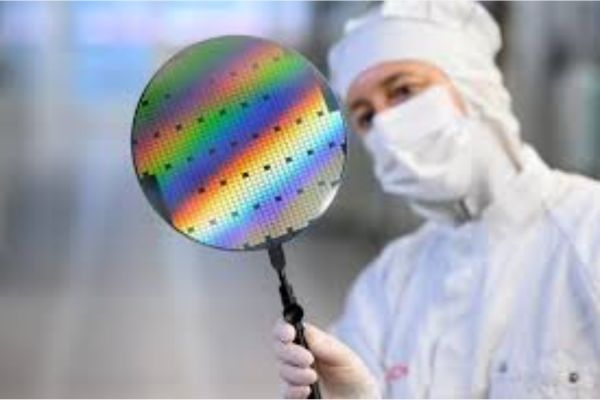
Bosch has launched its third-generation silicon carbide (SiC) chips, representing a major advancement in semiconductor performance for electric vehicles. The company has already started sending sample units to global automakers, supporting early testing for future EV platforms.
SiC semiconductors are important for EV efficiency because they switch faster, waste less energy, and handle higher power compared to traditional silicon chips. These benefits help improve powertrain efficiency, increase driving range, and enhance overall vehicle performance. With this latest generation, Bosch aims to offer both performance gains and cost improvements for automotive manufacturers.
This development comes as demand for SiC technology grows quickly, driven by the global shift toward electric mobility. Industry projections suggest strong expansion of the SiC market in the coming years, and Bosch is investing to strengthen its position in this space through increased innovation and manufacturing capacity.
The company has committed around €3 billion under European IPCEI programs focused on microelectronics and communications technologies. Its facility in Reutlingen, Germany, is already producing the new chips using advanced 200 mm wafer processes.
Bosch has also expanded production globally by acquiring a SiC manufacturing site in Roseville, California, in 2023. The plant is being upgraded with modern equipment through an investment of about $1.9 billion, with early sample production already underway to support customer qualification and improve supply chain stability.
A key factor behind Bosch’s progress is its proprietary “Bosch process,” originally developed for sensor manufacturing. The company has adapted this technique for SiC fabrication, enabling precise vertical structures that improve power density and chip efficiency.
Looking ahead, Bosch plans to further scale production to meet rising demand as electric vehicle adoption accelerates worldwide, aiming for high-volume manufacturing in the coming years.