


The footprint begins before assembly
When people talk about greener cars, the conversation often starts with electric motors, fuel economy or charging. Yet a vehicle has used substantial energy and material before it reaches a showroom. Steel has been made, aluminium refined, electronics assembled and parts moved between suppliers and factories.
That is why the automotive supply chain deserves a closer look. Sustainability depends on how materials are sourced, components are made, goods are transported and vehicles are handled at the end of their useful lives. A cleaner vehicle matters; a cleaner system behind it matters too.
Buying responsibly starts with the supplier
Automotive companies have long chosen suppliers on cost, quality, delivery and reliability. Environmental performance now needs to sit alongside those measures. A low purchase price can hide excessive scrap, high energy use, poor waste handling or risky material sourcing—problems that may later become delays or compliance issues.
Responsible procurement does not mean expecting every supplier to transform overnight. It means asking clear questions: where did the material come from, how much waste is generated, is energy use measured, and are environmental and labour practices properly managed? Site audits and practical improvement plans are more useful than a questionnaire completed once and forgotten.
Smaller suppliers may not have dedicated sustainability teams. Larger manufacturers can help them introduce basic measurement and reporting, then raise expectations as capabilities grow. Better supplier relationships can reduce risk while making change achievable.
Materials: use less, recover more
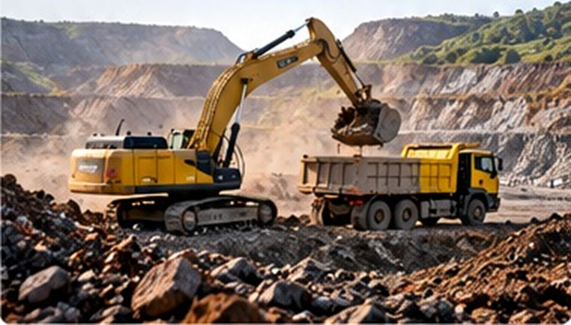
Modern vehicles combine steel, aluminium, copper, plastics, glass and electronic components. Electric vehicles also rely on battery materials such as lithium and graphite, with nickel or cobalt used in some chemistries. Extraction and processing can put pressure on energy, water and local environments, so sourcing decisions matter.
No single material choice solves every problem. Recycled aluminium can reduce the need for primary material, but it still depends on collection and processing. Lightweight parts may improve vehicle efficiency, yet their benefit also depends on how they are made and whether they can later be repaired or recycled. Designers and procurement teams should consider these trade-offs before mass production.
Using less material in the first place is often a practical win. Better cutting plans, reusable packaging, fewer rejected components and designs that can be disassembled all help reduce waste.
Factory improvements add up
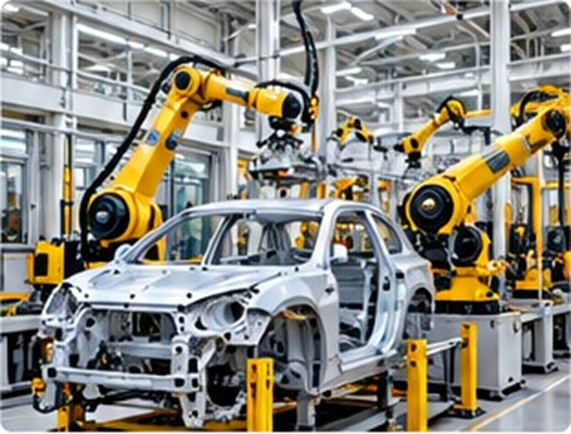
Factories do not need to wait for a major technology upgrade to make progress. Fixing compressed-air leaks, improving heating and cooling controls, maintaining equipment and planning energy-intensive work more carefully can reduce waste. Renewable electricity and efficient equipment can take the effort further; the right measures depend on the plant.
Quality matters too. A component rejected after several production steps has already consumed materials, labour and energy. Earlier defect detection can prevent that waste. Repair, remanufacturing and reuse of production scrap can also reduce demand for virgin resources where safety and quality requirements allow it.
Transport has a footprint too
Parts may cross several borders before they are fitted into a vehicle. Poorly planned deliveries can mean half-empty trucks, urgent shipments and excess packaging. Companies can review routes, combine loads, improve demand planning and ask logistics partners to report fuel use and emissions. Rail or lower-emission transport may suit some routes, depending on lead times and infrastructure.
Local sourcing can shorten some journeys and improve resilience, but it is not automatically greener. Energy sources, manufacturing processes, material origins and transport methods all affect the result. Companies need to compare the full picture rather than treating distance as the only measure.
Batteries need a plan beyond the factory
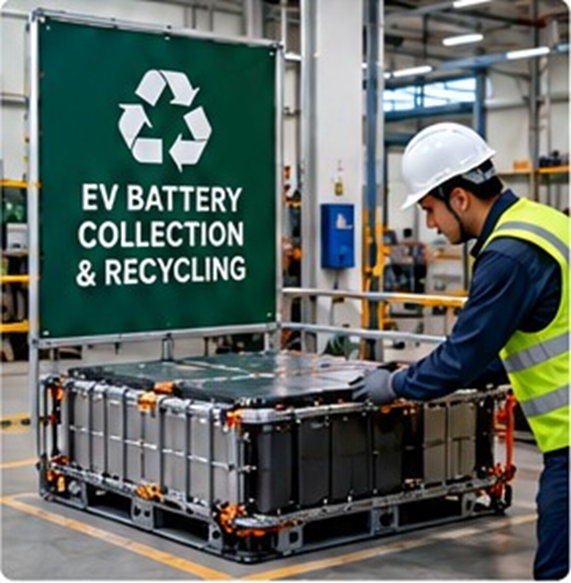
Battery sustainability starts with sourcing and continues through cell production, use, maintenance and recovery. Better manufacturing yields reduce cell waste, while effective battery monitoring and thermal management can help a pack operate safely for longer.
When a battery no longer meets a vehicle’s needs, it should be assessed rather than automatically discarded or reused. Some packs may be repairable; others may suit a second-life use, while some should go to an authorised recycler. Testing, transport, fire safety and traceability matter. Reuse is not always the best answer, and recycling works only when collection and processing systems are available.
Automakers, battery makers, service networks and recyclers need agreed processes for identifying, collecting and handling packs. Designing for safer disassembly and keeping useful battery records can make recovery easier.
Measure the part of the footprint you cannot see
A company can usually measure electricity use at its own factory more easily than emissions connected to materials, suppliers and transport. Yet these upstream and downstream activities can account for a substantial share of its footprint; they are often grouped under the term Scope 3 emissions.
Progress begins with reliable information, not a polished dashboard. Manufacturers can start with the suppliers and materials that have the largest impact, agree on consistent data and improve coverage over time. Lifecycle assessments help compare design choices, while traceability records show where materials came from and where recovered materials go. Claims should match the evidence.
India has an opportunity to get this right
India’s automotive and electric-mobility sectors are expanding manufacturing and supplier capabilities. This is a chance to build better practices into new facilities and supplier relationships from the start. Local production can support jobs and resilience, while repair networks and recycling capacity can keep more value in the economy.
Large manufacturers can help smaller businesses through energy audits, waste-reduction guidance, training and access to shared testing or recycling partners. Environmental performance can also be included in supplier reviews alongside price, quality and delivery. Clear targets and a realistic route to improvement work better than paperwork alone.
A stronger chain is built together
A sustainable automotive supply chain is not created by one material, one factory upgrade or one recycling programme. It comes from many sound decisions: choosing suppliers carefully, avoiding unnecessary material use, reducing production scrap, planning transport, extending product life and recovering resources when a vehicle is retired.
The work is shared by automakers, component makers, logistics providers, recyclers, policymakers and customers. There will be trade-offs, and the right approach will vary by vehicle and supplier. But when companies measure meaningful impacts and work with partners to address them, sustainability becomes part of how the industry operates—not just a promise in a brochure.