
The global supercapacitors material market is on a strong growth trajectory, poised to expand from USD 2.04 billion in 2024 to USD 5.82 billion by 2033, registering a robust CAGR of 12.5% during the forecast period from 2025 to 2033. This dynamic growth is being propelled by the increasing integration of supercapacitors in next-generation energy storage systems, electric vehicles, consumer electronics, and industrial applications.

As global demand for fast-charging, high-efficiency, and long-lifespan energy storage solutions continues to surge, the supercapacitors material market is witnessing a transformative shift—primarily fuelled by the rising adoption of advanced materials like graphene, activated carbon, and carbon nanotubes that enhance energy density and performance.
Supercapacitors Material Market Overview
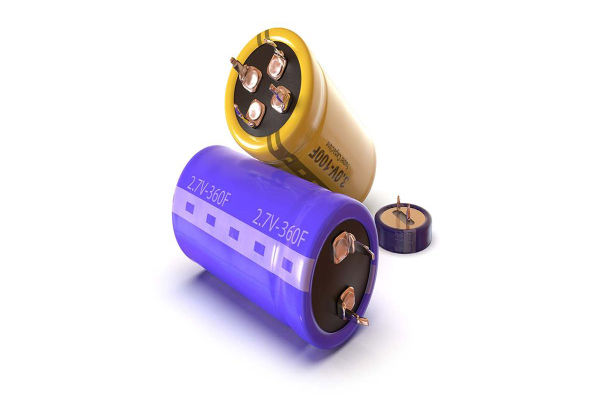
Supercapacitors, also known as ultracapacitors or electrochemical capacitors, bridge the gap between traditional capacitors and batteries. Unlike conventional batteries, they can charge and discharge rapidly, have high power density, and offer excellent lifecycle durability. The materials used in their construction—particularly electrode and electrolyte materials—are pivotal in determining their performance, cost-efficiency, and environmental impact.
In 2024, the global supercapacitors material market was valued at USD 2.04 billion, with Asia-Pacific accounting for approximately USD 919.8 million, showcasing the region’s dominance due to booming electronics and electric vehicle industries in countries like China, Japan, South Korea, and India.
Supercapacitors Material Market Trends Driving Growth
1. Surging Adoption of Electric Vehicles (EVs)
One of the primary drivers of the supercapacitors material market is the widespread adoption of electric vehicles. Automakers are increasingly integrating supercapacitors alongside batteries to enhance braking energy recovery, accelerate energy flow in hybrid powertrains, and support auxiliary power systems. These applications demand high-performance materials with superior charge/discharge characteristics and long operating life.
2. Emergence of Graphene and Carbon Nanotubes
While activated carbon continues to dominate the market due to its cost-effectiveness and reliable performance, graphene-based materials and carbon nanotubes (CNTs) are emerging as high-potential alternatives. These materials offer significantly higher surface area, electrical conductivity, and mechanical strength, thereby improving the energy and power density of supercapacitors. This trend is expected to revolutionize product development in the supercapacitors material market.
3. Rising Demand from Renewable Energy Storage
With the global push towards clean energy, efficient energy storage has become a priority. Supercapacitors are being used for grid stabilization, wind turbine pitch control systems, and solar energy storage. Advanced materials that can support fast cycling and long lifespan are essential in these applications, further fuelling the growth of the supercapacitors material market.
4. Miniaturization in Consumer Electronics
The need for compact and portable power solutions in smartphones, wearables, and IoT devices is encouraging manufacturers to explore lightweight, high-capacitance materials. Innovations in material science are leading to smaller form factors without compromising energy performance, thus opening up new avenues for market expansion.
Supercapacitors Material Market Regional Insights: Asia-Pacific Leads the Charge
Asia-Pacific stands out as the fastest-growing regional market, projected to grow at a CAGR of over 13% from 2025 to 2033. This growth is attributed to:
- Government incentives for EV production and renewable energy integration
- Presence of major electronics and battery manufacturers
- Rising investments in advanced material R&D, particularly in China and South Korea
North America and Europe are also witnessing increased adoption of supercapacitors, especially in automotive, aerospace, and defense sectors. Strategic collaborations between research institutions and industry leaders are accelerating the commercialization of next-gen supercapacitor materials in these regions.
Supercapacitors Material Market Segmental Analysis
Supercapacitors Material Market By Type
- Activated Carbon held the largest revenue share in 2024. Its large surface area, affordability, and electrochemical stability make it a go-to material for commercial applications.
- Graphene and CNTs are expected to witness exponential growth over the forecast period, owing to their superior performance metrics.
Supercapacitors Material Market By Application
- Automotive was the dominant application in 2024. Supercapacitors are increasingly being used for regenerative braking, engine start-stop systems, and onboard energy systems in EVs and hybrid vehicles.
- Other emerging application areas include renewable energy storage, consumer electronics, aerospace, and industrial automation.
Supercapacitors Material Market Challenges and Opportunities
Despite the immense growth potential, the supercapacitors material market faces challenges such as:
- High production costs of graphene and CNT-based materials
- Limited energy density compared to lithium-ion batteries
- Need for advanced manufacturing technologies to scale up production
However, these challenges are being actively addressed through:
- Ongoing research in low-cost material synthesis
- Development of hybrid energy storage systems combining supercapacitors with batteries
- Government funding and public-private partnerships supporting sustainable material innovation
Supercapacitors Material Market at a Glance
- Market Size in 2024: USD 2.04 Billion
- Projected Market Size by 2033: USD 5.82 Billion
- CAGR (2025–2033): 12.5%
- Asia-Pacific Value (2024): USD 919.8 Million
- Key Trends: Graphene & CNT adoption, EV integration, renewable energy storage, miniaturization
Competitive Landscape: Supercapacitors Material Market is Heating Up
The supercapacitors material market is highly competitive and innovation-driven, with a growing number of players investing in advanced materials, manufacturing processes, and strategic partnerships. Leading global manufacturers and emerging startups alike are racing to develop materials that deliver higher energy density, improved charge-discharge cycles, and lower production costs.
Key Players in the Supercapacitors Material Market
Some of the notable companies shaping the competitive landscape include:
- Cabot Corporation – A leading provider of activated carbon materials, known for high-quality carbon products for energy storage applications.
- KEMET Corporation (Yageo Group) – Offers supercapacitor materials and complete component solutions, focusing on automotive and industrial segments.
- Skeleton Technologies – A European pioneer in graphene-based supercapacitors and ultracapacitor energy storage modules.
- Nippon Chemi-Con Corporation – A major Japanese firm involved in supercapacitor manufacturing and innovation in material development.
- Maxwell Technologies (acquired by Tesla) – Known for developing advanced ultracapacitor technologies, with a focus on automotive and grid applications.
- Panasonic Corporation – Actively investing in carbon-based electrode materials for hybrid capacitors.
- Nanoramic Laboratories – Specializes in nanocarbon electrodes and proprietary carbons for high-power density supercapacitors.
Strategic Collaborations and M&A Activity
The market is witnessing an uptick in strategic alliances, R&D collaborations, and mergers & acquisitions to accelerate the commercialization of advanced materials. For example:
- Tesla’s acquisition of Maxwell Technologies boosted interest in dry electrode technology for ultracapacitors.
- Research partnerships between companies like Skeleton Technologies and universities have led to significant improvements in energy density through graphene-based materials.
Technological Breakthroughs Shaping the Future of Supercapacitors Material Market
1. Graphene-Based Materials: The Game Changer
Graphene is rapidly transforming the supercapacitor landscape due to its extraordinary electrical conductivity, surface area, and mechanical strength. While traditionally expensive to produce, recent breakthroughs in scalable and cost-effective synthesis methods are making it commercially viable.
- Skeleton Technologies’ “Curved Graphene” is a proprietary material enabling energy densities up to 60 Wh/kg, narrowing the gap between supercapacitors and batteries.
- Hydrothermal synthesis and chemical vapor deposition (CVD) techniques are being refined to produce high-quality graphene at industrial scale.
2. Carbon Nanotubes (CNTs) for Enhanced Conductivity
CNTs are being blended with activated carbon or graphene to create hybrid electrodes with superior conductivity and structural stability. These materials can operate at higher voltages, making them ideal for high-performance applications like aerospace, military, and fast-charging EVs.
- Ongoing research focuses on multi-walled carbon nanotubes (MWCNTs) to increase mechanical strength and optimize pore structures for ion transport.
3. Metal-Organic Frameworks (MOFs) and Pseudocapacitive Materials
Emerging materials such as MOFs and transition metal oxides are pushing the boundaries of supercapacitor performance. These materials can store energy via faradaic reactions (pseudocapacitance), offering higher energy densities than traditional electric double-layer capacitors (EDLCs).
- Innovations in nickel cobaltite, vanadium oxides, and MXenes are being closely monitored for commercial potential.
4. Solid-State Electrolytes and Flexible Supercapacitors
The rise of flexible and wearable electronics is giving rise to demand for bendable supercapacitor materials. Solid-state electrolytes and polymer composites are enabling the development of thin, lightweight, and flexible supercapacitors for integration into smart textiles and wearable health monitors.
- Materials such as polyvinyl alcohol (PVA) and ionic liquids are being used in flexible electrodes, often combined with nanostructured carbons.
5. Hybrid Supercapacitors (Li-ion Capacitors)
Hybrid technologies that combine the high energy density of batteries with the rapid charge-discharge capability of supercapacitors are gaining traction. These systems typically use asymmetric materials—such as a battery-type electrode on one side and a capacitor-type electrode on the other.
- Material innovation is critical in hybrid devices, with a focus on electrochemical compatibility, cycle life, and safety.
Supercapacitors Material Market Outlook: Innovation is the New Competitive Advantage
In an industry where material performance defines commercial viability, staying ahead means investing heavily in nanotechnology, surface engineering, and eco-friendly production techniques. The global supercapacitors material market is no longer limited to low-cost activated carbon—it is rapidly evolving into a cutting-edge ecosystem of advanced carbon materials, hybrid technologies, and intelligent design strategies.
The Future of Energy Storage is Material-Driven
As industries race toward a low-carbon and electrified future, the supercapacitors material market will play a central role in enabling fast, reliable, and sustainable energy storage solutions. The integration of high-performance materials like graphene and carbon nanotubes is not only pushing the boundaries of what supercapacitors can do but also opening up lucrative opportunities across sectors.
Companies that invest in R&D, strategic collaborations, and scalable production methods for advanced materials are likely to gain a competitive edge in this fast-evolving market. With a projected market size of USD 5.82 billion by 2033, the supercapacitors material market is set to become a cornerstone of next-gen energy infrastructure.