
eFuse Market
In today’s technology-oriented era, eFuses are silently safeguarding our machines from power surges and short circuits. Whether used in smartphones, vehicles, or industrial machinery, they guarantee everything runs smoothly and safely. As electronics become increasingly advanced, eFuses are becoming a staple of guarding our machines and systems from sudden damage.
What is an eFuse?
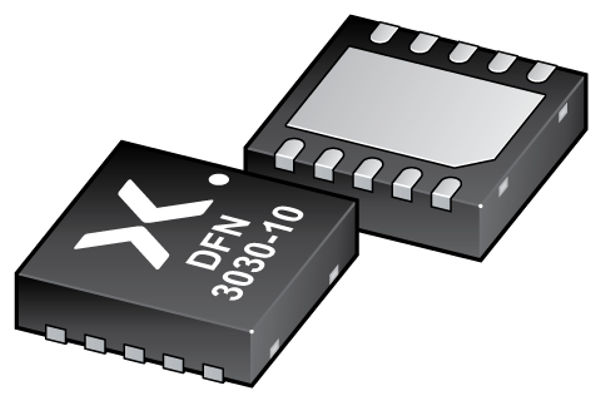
An electronic fuse or eFuse is an overcurrent protective device utilized in electrical circuits to protect against overcurrent, power surges, and short circuits. In contrast to conventional fuses, eFuses can be programmed and reset when the problem is fixed, offering safety as well as convenience. Through automatic disconnection of power during overload and connection of power when the fault clears, eFuses prevent costly damage to delicate electronic systems and equipment, with the promise of long-term reliability.
The Rising Demand for eFuse
The worldwide eFuse market size was USD 552.42 million in 2024 and is anticipated to expand at a CAGR of 4.7% from 2025 to 2034. Below are some of the key drivers of the market demand:
- As the demand for high-density data centers grows, eFuses are becoming essential for ensuring reliable, efficient, and continuous power management, supporting the seamless operation and resilience of next-generation cloud and AI infrastructures.
- The growing focus on safety, regulatory compliance, and IoT-driven automation is driving OEMs to integrate intelligent protection solutions such as eFuses into their designs for enhanced reliability and system resilience.
- The rapid growth of electric vehicles and the increasing complexity of automotive electronics are driving the demand for advanced protection solutions such as eFuses, which enhance safety, efficiency, and reliability in modern EV systems.
Types of eFuses
eFuses are available in different types, which are specifically designed to suit various requirements in different applications. The following are the main types of eFuses:
Resettable eFuses
Resettable eFuses are the most prevalent and are made to reset automatically after sensing an overcurrent or fault condition. When the cause of the overload is eliminated, such fuses automatically restore the circuit without any need for user intervention or replacement, and this is of tremendous convenience to users, as well as cutting down on maintenance costs.
Non-resettable eFuses
Non-resettable eFuses, in contrast to resettable ones, cannot be reset once they blow. They have to be replaced once they are triggered. These are generally used in situations where automatic recovery is not preferred or where a permanent circuit interruption is required for safety or compliance.
Polarity-Protected eFuses
Polarity-protected eFuses are used to shield electronic circuits against damage due to wrong polarity connections. They can disconnect the circuit in case the power is reversed, thus protecting sensitive components from damage. It is widely applied in automotive use or reversible connection devices.
Thermal eFuses
Thermal eFuses respond to heat instead of overcurrent. They have built-in temperature sensors that identify when the device or circuit has reached a critical level of heat threshold. When the heat level surpasses the safe threshold, the eFuse cuts off the circuit to prevent overheating or thermal burnout. Once the heat level returns to normal, the eFuse can be reset or requires manual replacement.
Advantages of eFuses
eFuses offer a set of advantages that position them as a must-have in current electronic systems. Here are some of the most important advantages of eFuses:
Precision Protection
eFuses provide extremely accurate and programmable circuit protection, guaranteeing that power systems stay within defined parameters. They can detect with high accuracy overcurrent, overvoltage, and short-circuit conditions, minimizing the risk of damaging sensitive components.
Resettable Feature
Traditional fuses are not resettable once they have experienced an overload or fault condition and must be replaced manually. This makes eFuses more efficient in maintaining system uptime and reducing maintenance costs.
Fast Response Time
eFuses respond rapidly to changes in the circuit, immediately dropping power in the case of a fault. Their fast response helps to reduce the amount of potential damage and ensure systems are protected.
Digital Telemetry and Monitoring
Most eFuses include advanced features such as real-time diagnostics, digital telemetry, and remote monitoring that enable ongoing performance monitoring and predictive maintenance, which prevents system failure from happening.
Enhanced Safety and Compliance
eFuses serve as a vital function in ensuring electronic systems’ conformity to safety standards and regulations, especially in industries such as automotive, telecommunication, and renewable energy, where high-voltage systems are prevalent.
Summing Up
As electronics become smarter, smaller, and more connected, the place of eFuses has never been more crucial. From guarding against overheating in electric vehicles and data centers to safeguarding against safety failure in automated systems, eFuses provide the accuracy, reliability, and intelligence today’s technology requires. With resettable response, rapid response times, and real-time monitoring, eFuses are not only keeping pace with the future of electronics, they’re shaping it.