
Market Summary
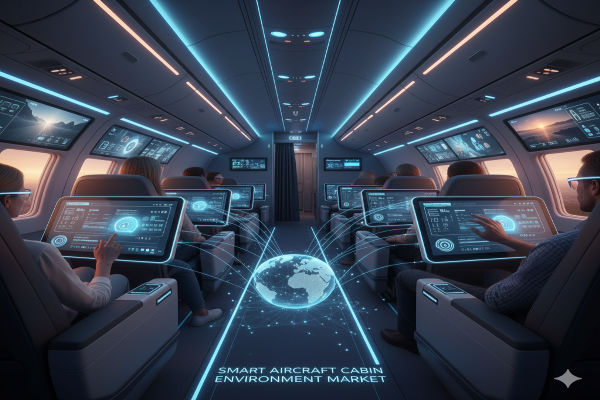
According to latest research by Research Intelo, the Global Smart Aircraft Cabin Environment market size was valued at $2.1 billion in 2024 and is projected to reach $5.7 billion by 2033, expanding at a robust CAGR of 11.6% during the forecast period of 2024–2033. The smart aircraft cabin environment integrates advanced technologies to monitor and control cabin conditions, including air quality, temperature, lighting, and noise levels. These systems aim to improve passenger comfort while optimizing energy consumption and operational efficiency. Airlines are adopting these solutions to meet rising passenger expectations for a more immersive and healthier in-flight experience.
The Smart Aircraft Cabin Environment (SACE) Market is witnessing rapid growth as airlines and aircraft manufacturers increasingly focus on enhancing passenger comfort and safety. With technological advancements in IoT, AI, and sensor-based systems, cabins are becoming smarter, adaptive, and highly personalized.
Key Drivers of Growth
1. Rising Passenger Comfort Expectations
Modern travelers demand personalized and comfortable flight experiences. Smart cabins equipped with adaptive lighting, humidity control, and air purification systems cater to these needs, driving market growth.
2. Technological Advancements
Integration of AI, IoT, and sensor networks allows real-time monitoring and automatic adjustments of cabin conditions. Predictive maintenance and intelligent alerts further enhance safety and operational efficiency.
3. Regulatory and Safety Standards
Aviation authorities are increasingly emphasizing air quality and passenger safety. Compliance with stringent standards encourages airlines to adopt smart cabin systems, fueling market expansion.
Challenges and Opportunities
High installation and maintenance costs remain a challenge, especially for older aircraft retrofitting. However, opportunities exist in predictive maintenance solutions, eco-friendly cabin systems, and integration with emerging electric and hybrid aircraft platforms. Partnerships between airlines and technology providers are also expected to accelerate growth.
Technological Advancements
The smart aircraft cabin environment is rapidly evolving due to breakthroughs in AI, IoT, and sensor technologies. Modern cabins now feature real-time monitoring systems that automatically adjust lighting, temperature, humidity, and air quality for optimal passenger comfort. Predictive analytics enable early detection of potential equipment failures, reducing downtime and maintenance costs. Integration with cloud-based platforms allows airlines to collect and analyze passenger data, enabling personalized in-flight experiences while enhancing overall operational efficiency. These advancements are key drivers of market growth, making cabins smarter, safer, and more energy-efficient.
Competitive Landscape
- Honeywell International Inc.
- Collins Aerospace (Raytheon Technologies Corporation)
- Panasonic Avionics Corporation
- Thales Group
- Diehl Stiftung & Co. KG
- Safran S.A.
- Lufthansa Technik AG
- Zodiac Aerospace (Safran Cabin)
- Gogo Inc.
- Astronics Corporation
Future Outlook
The future of the smart aircraft cabin environment lies in fully autonomous cabin systems capable of adjusting conditions in real-time based on passenger preferences and flight parameters. With airlines prioritizing passenger experience and sustainability, the market is poised for consistent growth over the next decade.