

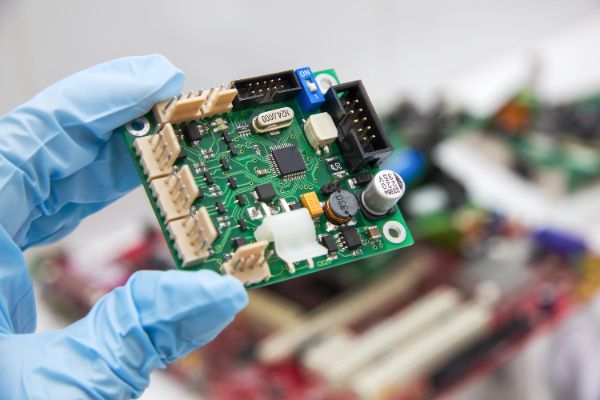
Electronics manufacturing is a critical industry that supports a wide range of sectors including consumer electronics, automotive, healthcare, and telecommunications. At the heart of every electronic device lies the printed circuit board, commonly known as a PCB. It serves as the foundation that connects and supports electronic components, enabling devices to function efficiently.
PCB design and manufacturing are essential processes that determine the performance, reliability, and longevity of electronic products. As technology advances, the demand for compact, high performance, and energy efficient devices is increasing. This has made PCB design more complex and more important than ever in modern electronics manufacturing.
Understanding PCB Design
PCB design is the process of creating the layout that connects electronic components using conductive pathways. Designers use specialized software to place components such as resistors, capacitors, and integrated circuits on the board and define how they are connected.
A well-designed PCB ensures that signals flow efficiently and that the device operates without interference or failure. Designers must consider factors such as component placement, signal integrity, thermal management, and power distribution. These elements play a crucial role in ensuring the overall performance of the final product.
Modern PCB design also focuses on miniaturization. As electronic devices become smaller, designers must create compact layouts that maintain functionality without compromising reliability. This requires careful planning and advanced design techniques.
The PCB Manufacturing Process
Once the design is completed, the PCB moves into the manufacturing stage. This process involves several steps, starting with the selection of materials. Most PCBs are made using a combination of insulating substrates and conductive copper layers.
The manufacturing process includes printing the circuit pattern onto the board, etching away excess copper, and drilling holes for component placement. Layers are then laminated together to create multi-layer boards that can support complex circuits.
After fabrication, components are assembled onto the PCB using techniques such as surface mount technology or through hole assembly. The final step involves testing the board to ensure it meets quality and performance standards before being integrated into electronic devices.
Importance of Quality and Reliability
Quality and reliability are essential in electronics manufacturing. A minor defect in a PCB can lead to device failure, which may result in safety risks or financial losses. Therefore, manufacturers implement strict quality control measures throughout the production process.
Testing methods such as automated optical inspection and electrical testing are used to identify defects and ensure that circuits function correctly. These processes help maintain high standards and reduce the likelihood of product failure.
Reliability is particularly important in industries such as healthcare and automotive, where electronic systems must perform consistently under demanding conditions. High quality PCB design and manufacturing contribute to the long term durability of these systems.
Advancements in PCB Technology
The field of PCB design and manufacturing is continuously evolving with new technological advancements. High density interconnect boards are becoming more common, allowing for greater functionality within smaller spaces. These boards use finer lines and smaller components to achieve higher performance.
Flexible and rigid flex PCBs are also gaining popularity. These boards can bend and adapt to different shapes, making them ideal for wearable devices and compact electronics. This flexibility opens up new possibilities for innovative product designs.
In addition, advancements in materials are improving thermal management and electrical performance. New substrates and conductive materials help enhance efficiency and reduce energy consumption in electronic devices.
Role of Automation and Digital Tools
Automation and digital tools are transforming electronics manufacturing. Advanced software enables designers to simulate and test PCB layouts before production, reducing errors and improving efficiency. These tools help identify potential issues early in the design process.
Manufacturing processes are also becoming more automated. Robotics and automated assembly lines improve precision and speed while reducing human error. This leads to higher production efficiency and consistent quality.
Data analytics is another important aspect of modern manufacturing. By analyzing production data, manufacturers can optimize processes, reduce waste, and improve overall performance. This contributes to more efficient and cost effective operations.
Challenges in Electronics Manufacturing
Despite significant advancements, electronics manufacturing faces several challenges. One of the main challenges is managing the complexity of modern PCB designs. As devices become more advanced, the number of components and connections increases, making design and manufacturing more demanding.
Supply chain issues can also impact production. The availability of raw materials and electronic components plays a crucial role in maintaining manufacturing timelines. Disruptions in the supply chain can lead to delays and increased costs.
Another challenge is maintaining sustainability. Electronics manufacturing involves the use of materials and processes that can impact the environment. Companies are now focusing on reducing waste, improving energy efficiency, and adopting eco-friendly practices.
Conclusion
Electronics manufacturing and PCB design are fundamental to the development of modern electronic devices. From initial design to final production, each stage plays a critical role in ensuring performance, reliability, and efficiency.
As technology continues to evolve, the importance of advanced PCB design and innovative manufacturing processes will only increase. By embracing new technologies, improving quality standards, and addressing industry challenges, the electronics sector can continue to support innovation and meet the growing demands of the digital world.