Embedded systems are becoming an essential part of modern life. They power devices such as smart appliances, medical equipment, industrial machines, automobiles, wearable devices, and communication systems. These systems are designed to perform specific tasks efficiently within larger products or environments.
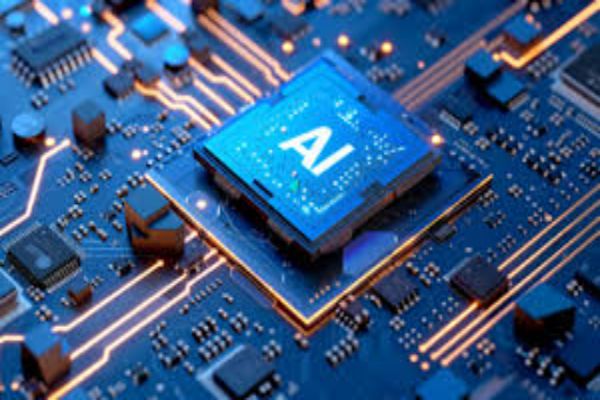
In 2026, the future of embedded systems is being shaped by two major trends: Edge AI and low power computing technologies. Together, these innovations are making devices smarter, faster, and more energy efficient. They allow machines to process data locally, respond in real time, and operate for longer periods with lower energy consumption.
As industries continue to adopt automation and connected technologies, embedded systems are evolving into intelligent platforms that support advanced applications.
Understanding Embedded Systems
An embedded system is a dedicated computing unit built into a device to control operations or perform specialized functions. Unlike general purpose computers, embedded systems are designed for efficiency, reliability, and task specific performance.
Examples include control units in vehicles, sensors in industrial equipment, smart thermostats, security cameras, and wearable fitness trackers. These systems often operate continuously and must deliver stable performance in compact environments.
Their importance is growing as more products become connected and intelligent.
What Is Edge AI?
Edge AI refers to artificial intelligence processing that takes place directly on a device rather than relying entirely on cloud servers. In traditional systems, data is often sent to the cloud for analysis. With Edge AI, processing happens locally within the embedded system.
This enables devices to make decisions instantly without waiting for network communication. For example, a smart camera can recognize movement or faces immediately, while an industrial sensor can detect faults in real time.
Edge AI improves speed, privacy, and reliability, making it highly valuable for modern embedded applications.
Importance of Low Power Computing
Many embedded devices operate on batteries or in environments where power availability is limited. Because of this, energy efficiency is a critical design priority.
Low power computing technologies focus on reducing electricity consumption while maintaining performance. This includes energy efficient processors, optimized software, advanced chip architectures, and intelligent power management systems.
By consuming less power, devices can run longer, generate less heat, and reduce maintenance needs. This is especially important for remote sensors, wearable electronics, and portable medical devices.
Smarter Consumer Electronics
Embedded systems with Edge AI are transforming consumer electronics. Smartphones, smart speakers, smart televisions, and wearable devices now use local intelligence for faster and more personalized experiences.
Voice assistants can process commands quickly, cameras can enhance photos instantly, and fitness trackers can monitor health data in real time. Since much of the processing happens on the device, users experience lower delays and better privacy.
Low power computing also extends battery life, making these devices more convenient for everyday use.
Advancing Industrial Automation
Industrial sectors are increasingly using embedded systems for automation, predictive maintenance, and operational monitoring. Machines equipped with smart sensors and local AI can detect anomalies, track performance, and optimize production processes.
For example, motors and factory equipment can identify unusual vibration or temperature changes before a failure occurs. This reduces downtime and maintenance costs.
Low power embedded devices are particularly useful in factories because they can operate continuously with minimal energy use while delivering reliable data insights.
Growth in Automotive Applications
Modern vehicles contain numerous embedded systems that control engine performance, braking, safety systems, navigation, and entertainment features. With Edge AI, these systems are becoming more advanced.
Driver assistance technologies can analyze road conditions, detect obstacles, and improve safety responses in real time. In electric vehicles, embedded systems manage battery performance, charging efficiency, and energy usage.
Low power computing is valuable in automotive design because it supports advanced features without placing unnecessary demand on vehicle energy systems.
Healthcare and Medical Devices
Healthcare is another major area where embedded systems are evolving rapidly. Portable monitors, wearable health trackers, imaging devices, and smart diagnostic tools rely on embedded intelligence.
Edge AI enables devices to analyze health data instantly and provide alerts when abnormal readings occur. This supports faster decision making for patients and healthcare providers.
Low power operation is especially important for wearable and portable medical equipment that must function reliably for extended periods.
Security and Privacy Benefits
As connected devices generate more data, privacy concerns continue to grow. Edge AI helps address this challenge by processing sensitive information locally rather than sending everything to external servers.
For example, smart home cameras or biometric systems can analyze data on the device itself. This reduces exposure to data transfer risks and strengthens user trust.
Embedded systems that combine secure processing with low power performance will become increasingly valuable in both consumer and enterprise markets.
Challenges in Development
Despite strong opportunities, designing advanced embedded systems presents challenges. Engineers must balance performance, cost, size, and power efficiency within compact hardware environments.
Software optimization is also essential because AI models need to run effectively on smaller processors. Security must be built into devices from the start, especially in connected systems.
Manufacturers are investing heavily in chip innovation and development tools to overcome these barriers.
Future Outlook
The future of embedded systems will involve greater intelligence, connectivity, and energy efficiency. Devices will become more autonomous and capable of learning from local data.
Edge AI will continue to expand into homes, vehicles, hospitals, factories, and smart cities. At the same time, low power computing will enable smaller, lighter, and longer lasting devices.
Future semiconductor advances will further improve processing power while reducing energy needs. This will unlock new possibilities for robotics, smart infrastructure, and real time automation.
Conclusion
Embedded systems are entering a new era driven by Edge AI and low power computing technologies. These innovations are making devices faster, smarter, and more efficient across industries such as consumer electronics, automotive, healthcare, and manufacturing.
By enabling local intelligence and reducing energy consumption, embedded systems can deliver better performance while supporting practical everyday use. Although development challenges remain, the long term potential is significant.
As technology continues to evolve, embedded systems will play a central role in building the connected and intelligent world of the future.