

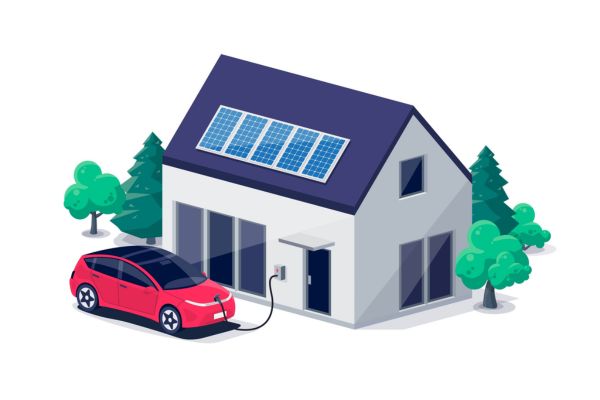
Electric vehicles (EVs) are rapidly moving beyond their original role as a cleaner alternative to conventional mobility. They are now becoming a crucial part of a broader transformation taking place across the global energy ecosystem. At the heart of this evolution is Vehicle-to-Grid (V2G) technology, which enables EVs to not only draw electricity from the grid but also supply it back when demand rises.
This two-way interaction fundamentally changes how energy is consumed and distributed. Instead of relying solely on centralized power generation, energy systems are gradually becoming more decentralized, flexible, and intelligent. V2G plays a critical role in this transition by turning EVs into mobile energy storage units that can support grid operations in real time. As the push for decarbonization intensifies, such innovations are becoming essential for building resilient and future-ready energy infrastructure.
Market Overview: A Rapidly Evolving Energy Landscape
The Vehicle-to-Grid (V2G) technology industry landscape is evolving at a steady pace, driven by the increasing convergence of electric mobility and intelligent energy systems. As electric vehicle adoption continues to rise globally, the potential for leveraging EV batteries as distributed energy resources is gaining significant attention among utilities, policymakers, and technology providers. This shift is not only redefining the role of electric vehicles but also reshaping how energy is stored, managed, and redistributed across modern power grids.
At the same time, growing investments in smart grid infrastructure and renewable energy integration are creating a strong foundation for V2G deployment. Industry stakeholders are actively exploring new business models, including energy trading and demand response programs, to unlock additional value from connected EV ecosystems.
Bidirectional Charging: Redefining the Role of Electric Vehicles
The defining feature of V2G technology is its ability to enable bidirectional energy flow, which transforms EVs from passive electricity consumers into active grid participants. During off-peak hours, vehicles charge as usual. However, when energy demand spikes or the grid experiences stress, these vehicles can discharge stored electricity back into the system.
This capability introduces a new layer of flexibility for utilities and energy providers. Instead of investing heavily in large-scale stationary storage systems, they can leverage a distributed network of EV batteries. For EV owners, this opens up opportunities to generate value from their vehicles beyond transportation. Over time, as the number of connected EVs grows, this collective energy resource could significantly enhance grid stability and efficiency.
Why V2G Is Gaining Strategic Importance in Modern Energy Systems
Electrification Is Reshaping Energy Demand Dynamics
The rapid electrification of transportation, industries, and households is placing increasing pressure on power grids. As EV adoption accelerates, unmanaged charging could lead to peak demand spikes and infrastructure strain. V2G addresses this challenge by introducing a dynamic mechanism where EVs can actively balance supply and demand.
By shifting from a consumption-only model to a participatory energy model, V2G allows grids to operate more efficiently without requiring constant infrastructure expansion. This shift in perspective from EVs as a burden to EVs as an asset is a key reason why V2G is gaining traction globally.
Bridging the Gap Between Renewable Energy Supply and Demand
Renewable energy sources such as solar and wind are essential for reducing carbon emissions, but their intermittent nature creates challenges for grid reliability. Energy generation does not always align with consumption patterns, leading to inefficiencies and wasted potential.
V2G technology helps address this imbalance by storing surplus renewable energy when production is high and redistributing it when demand increases. This not only enhances the efficiency of renewable systems but also reduces reliance on fossil-fuel-based backup power. As renewable penetration increases, V2G will play an increasingly vital role in maintaining grid stability.
Powering the Vision of Smart Grids and Connected Cities
The rise of smart grids is transforming traditional energy infrastructure into digitally enabled, responsive systems. These grids rely on real-time data, automation, and advanced analytics to optimize energy distribution. V2G integrates seamlessly into this ecosystem by enabling real-time energy exchange between vehicles and the grid.
In smart city environments, this capability can be leveraged for a wide range of applications, from managing local energy demand to supporting critical infrastructure during emergencies. As cities become more connected and data-driven, V2G will serve as a foundational technology supporting sustainable urban development.
Real-World Applications Driving V2G Adoption
Smarter Homes and Cost-Optimized Energy Usage
For residential users, V2G offers a practical way to manage electricity consumption more efficiently. Homeowners can charge their EVs during off-peak hours when electricity rates are lower and use that stored energy during peak pricing periods. This not only reduces energy costs but also provides greater control over household energy usage.
In markets with dynamic pricing or energy trading mechanisms, users can even sell excess electricity back to the grid, creating an additional income stream. Over time, this could significantly enhance the economic value proposition of EV ownership.
Fleet Electrification Meets Energy Monetization
Commercial fleets represent one of the most promising use cases for V2G technology. Logistics companies, ride-sharing platforms, and public transportation systems operate large numbers of vehicles with predictable schedules, making them ideal for coordinated energy management.
By aggregating the storage capacity of multiple vehicles, fleet operators can participate in demand response programs, provide grid services, and generate new revenue streams. This not only improves operational efficiency but also accelerates the transition toward large-scale electrification.
Enhancing Energy Resilience During Critical Situations
Beyond economic and operational benefits, V2G technology also contributes to energy resilience. In the event of power outages or grid disruptions, EVs can function as backup power sources for homes, businesses, and critical infrastructure.
This capability is particularly valuable in regions prone to natural disasters or unstable power supply. By providing an additional layer of energy security, V2G highlights its importance as more than just a technological innovation—it becomes a tool for societal resilience.
Barriers That Must Be Overcome for Mass Adoption
Despite its strong potential, V2G technology is still in a developmental phase and faces several challenges that could slow its adoption. One of the primary obstacles is the limited availability of bidirectional charging infrastructure, which remains relatively expensive and not widely deployed.
Battery health concerns also persist, as frequent charging and discharging cycles may impact long-term performance. Although advancements in battery technology are addressing these issues, consumer perception remains a barrier. Additionally, regulatory frameworks and grid standards vary across regions, creating complexities for implementation at scale.
Raising awareness and educating consumers about the benefits and practical applications of V2G will be essential in overcoming these challenges and driving broader acceptance.
Emerging Trends Shaping the Future of V2G Technology
Intelligent Energy Management Through AI Integration
Artificial intelligence and advanced analytics are playing an increasingly important role in optimizing V2G systems. These technologies enable real-time decision-making, ensuring that energy is exchanged at the most efficient and cost-effective times.
Energy-as-a-Service Is Lowering Adoption Barriers
New business models are emerging that allow users to participate in V2G ecosystems without managing the technical complexities themselves. Subscription-based and service-driven approaches are making the technology more accessible to a wider audience.
Cross-Industry Collaboration Is Accelerating Innovation
The success of V2G depends on collaboration between automakers, utilities, technology providers, and policymakers. Strategic partnerships are helping to build interoperable ecosystems, accelerate innovation, and bring scalable solutions to market faster.
The Road Ahead: From Niche Innovation to Energy Mainstream
V2G technology is still evolving, but its trajectory suggests a shift from pilot projects to mainstream adoption in the coming years. As EV penetration increases and grid infrastructure becomes more intelligent, the role of V2G will expand significantly.
Future advancements in battery technology, charging infrastructure, and digital energy platforms will further strengthen its viability. Over time, V2G could become a standard feature of EV ecosystems, fundamentally changing how energy is stored, managed, and distributed.











 technology, enabling two-way power flow and grid support.)