
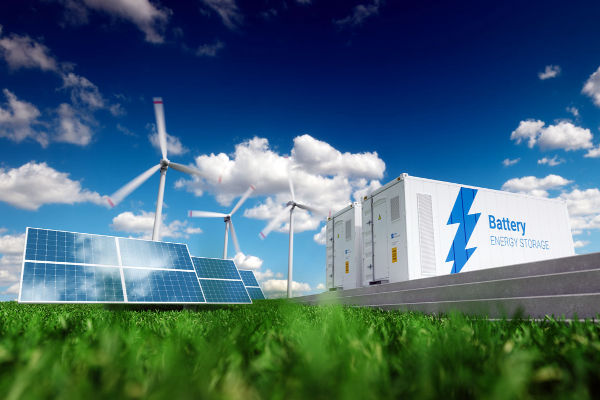
As global energy systems transition toward renewables, Battery Energy Storage Systems (BESS) are emerging as one of the most critical enablers of grid stability, efficiency, and resilience. While renewable generation has scaled rapidly, variability in supply continues to challenge traditional power infrastructure. BESS bridges this gap by enabling flexible storage, intelligent dispatch, and real-time balancing of energy supply and demand.
What was once viewed as a supporting technology is now becoming a central pillar of modern power systems.
Why BESS Is No Longaer Optional
The increasing penetration of solar and wind energy has exposed structural limitations in conventional grids that were designed for predictable, centralized generation. Battery Energy Storage Systems address these challenges by absorbing excess energy during periods of low demand and releasing it during peak usage or supply shortfalls.
Beyond load balancing, BESS plays a vital role in frequency regulation, voltage stabilization, and grid reliability. As grids become more decentralized, storage systems act as shock absorbers, enabling smoother integration of distributed energy resources such as rooftop solar, microgrids, and electric vehicle charging networks.
In emerging markets, BESS is also proving essential for improving power quality, reducing outages, and supporting electrification in regions with constrained grid infrastructure.
Advances in Power Electronics Driving BESS Adoption
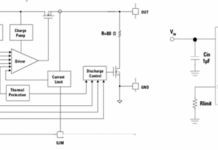
At the heart of modern BESS solutions lies advanced power electronics. Bidirectional converters, high-efficiency inverters, and intelligent control systems enable batteries to interact dynamically with the grid. These components determine how effectively energy is stored, converted, and delivered.
Efficiency improvements in power semiconductor devices, including wide-bandgap materials, have reduced losses and improved thermal performance. This not only enhances system efficiency but also lowers operating costs and extends equipment lifespan.
Equally important is the role of digital control. Smart energy management systems can optimize charge and discharge cycles based on real-time grid conditions, price signals, and forecasted demand, maximizing both technical performance and economic returns.
Safety, Scalability, and System Design
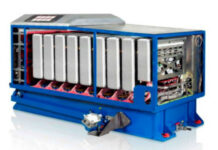
As BESS deployments scale, safety and system architecture have become key focus areas. Thermal management, fault detection, and isolation mechanisms are critical for preventing cascading failures. Advances in battery management systems (BMS) now allow continuous monitoring of cell health, temperature, and performance, significantly reducing operational risk.
Scalability is another defining characteristic of modern BESS solutions. Modular architectures enable systems to be tailored for diverse applications, from residential backup power to utility-scale grid support. This flexibility allows energy storage to be deployed incrementally, aligning investment with demand growth.
Standardization of components and interfaces is further improving interoperability and reducing deployment complexity, accelerating adoption across markets.
BESS and the Energy Transition
Battery Energy Storage Systems are no longer confined to renewable integration alone. They are becoming integral to broader energy transition goals, including electric mobility, industrial decarbonization, and demand-side management.
In electric vehicle ecosystems, BESS supports fast-charging infrastructure by smoothing load spikes and reducing stress on local grids. In industrial settings, storage systems enable peak shaving, backup power, and improved energy cost predictability.
From a policy perspective, governments are increasingly recognizing BESS as strategic infrastructure. Incentives, grid modernization programs, and supportive regulatory frameworks are accelerating deployment while encouraging innovation in storage technologies and system design.
The Role of Intelligence and Systems Thinking
As BESS deployments grow in scale and complexity, the next phase of evolution will be driven by intelligence rather than hardware alone. Data-driven insights, predictive analytics, and system-level optimization will determine how effectively storage assets perform over time.
Coordinating batteries across locations, applications, and stakeholders requires platforms that can process signals from grids, markets, and devices simultaneously. This systems-oriented approach is becoming essential to unlocking the full value of energy storage.
From our experience at FoundrFuse, technologies that combine power electronics with intelligent decision layers are best positioned to scale sustainably. When energy storage is treated as part of an integrated ecosystem rather than a standalone asset, both efficiency and resilience improve.
Looking Ahead
Battery Energy Storage Systems are rapidly moving from supplementary infrastructure to foundational components of modern power systems. Their ability to enhance grid stability, enable renewable integration, and support emerging energy use cases makes them indispensable in the path toward a cleaner and more resilient energy future.
As technology advances and policy support strengthens, the focus will shift from whether to deploy BESS to how intelligently it can be integrated. The winners in this space will be those who approach energy storage not just as hardware, but as a strategic, system-level capability.