

What is Renewable Energy?
Renewable energy refers to energy generated from natural processes that are continuously replenished. These include solar energy (from the sun), wind energy (from air movement), hydropower (from flowing water), geothermal (from Earth’s internal heat), and bioenergy (from organic materials). Each source contributes uniquely to the global power mix, with innovations in technology enhancing efficiency, affordability, and scalability.
According to Vision Research Reports, the global renewable energy market size was worth about USD 1.54 trillion in 2024 and is expected to grow to nearly USD 6.23 trillion by 2034, rising at an average annual rate of 15% from 2025 to 2034.
Geothermal Energy Heat from Within the Earth
Geothermal energy is a clean and reliable form of power that comes from the natural heat inside our planet. Deep under the Earth’s surface, there are layers of hot rocks and underground water that hold a lot of energy. This heat can be used to make electricity or to warm up homes, offices, and greenhouses.
What makes geothermal energy special is that it’s always available day or night, rain or shine. Unlike solar or wind power, it doesn’t depend on weather conditions. Power plants use wells to bring up steam or hot water from underground, which then spins turbines to generate electricity.
Types of Renewable Energy Sources
- Solar Energy: Solar power harnesses energy from the sun through photovoltaic cells or solar thermal systems. It is one of the fastest-growing renewable sources, driving residential, commercial, and utility-scale projects worldwide.
- Wind Energy: Wind turbines convert the kinetic energy of wind into electricity. Both onshore and offshore wind farms play a significant role in the global energy transition
- Hydropower: As the oldest and most established renewable source, hydropower uses flowing water to spin turbines and generate electricity.
- Geothermal Energy: Geothermal energy taps into the Earth’s internal heat to produce power or direct heating
- Biomass Energy: Biomass involves using organic materials such as agricultural waste, wood, or algae to produce electricity, heat, or biofuels.
Challenges to Overcome in Renewable Energy
- Intermittency of Supply: One of the most significant challenges in renewable energy is its dependency on environmental conditions. Solar panels only generate electricity during daylight hours, and their efficiency drops on cloudy days, while wind turbines rely on sufficient and consistent wind speeds.
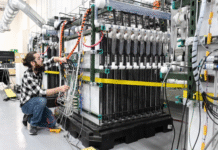
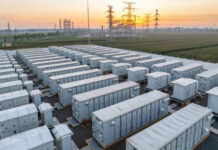
- Energy Storage Limitations: Since renewable sources don’t always generate energy when it’s needed most, efficient storage is crucial. Current storage technologies mainly lithium-ion batteries are expensive, have limited capacity, and require rare minerals.
- High Infrastructure Costs: The transition to renewable energy demands massive infrastructure investments. From constructing wind farms and solar parks to laying new transmission lines, the upfront capital costs can be prohibitive especially for developing nations
Future of Renewable Energy What’s Next?
The future of renewable energy is bright and full of innovation. By 2050, renewables are expected to supply more than 80% of global electricity demand. Emerging technologies such as green hydrogen, next-generation nuclear fusion, perovskite solar cells, and long-duration energy storage will revolutionize the way we produce and consume energy. Decentralized energy systems where homes and communities generate and share their own power will become more common.
The combination of AI, blockchain, and IoT will make energy systems smarter and more efficient. As governments intensify climate commitments and corporations adopt sustainability strategies, renewable energy will play a vital role in achieving carbon neutrality. The focus will shift from just producing clean energy to creating resilient, circular, and equitable energy ecosystems that support both people and the planet.