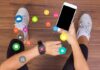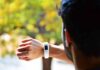


According to latest research by Research Intelo, the global wearable biosensors market size reached USD 23.5 billion in 2024, registering a robust expansion driven by heightened adoption across healthcare and fitness sectors. The market is expected to grow at a CAGR of 14.2% during the forecast period from 2025 to 2033. By the end of 2033, the market is projected to attain a value of USD 68.5 billion. This impressive growth trajectory is largely fueled by the increasing integration of biosensor technology in consumer electronics, rising prevalence of chronic diseases, and the global shift toward preventive healthcare and real-time health monitoring.
The wearable biosensors market is rapidly evolving, driven by the convergence of healthcare and digital technology. These compact, smart devices are revolutionizing how individuals monitor their physiological functions in real-time. From glucose monitoring to heart rate tracking, wearable biosensors are playing a pivotal role in proactive healthcare and personalized medicine.
Key Market Drivers
1. Increasing Demand for Real-time Health Monitoring
One of the primary forces fueling the wearable biosensors market is the growing need for continuous, non-invasive health monitoring. Patients with chronic conditions such as diabetes, cardiovascular disorders, and hypertension benefit significantly from real-time data that can inform immediate treatment decisions or preventive interventions.
2. Technological Advancements in Sensor Design
Miniaturization, improved battery life, and enhanced data analytics have led to a new generation of wearable biosensors. Innovations like flexible electronics, nanomaterials, and AI-powered diagnostics have made these devices more accurate, user-friendly, and durable.
3. Expanding Role in Fitness and Wellness
Beyond clinical use, wearable biosensors are now integral to the fitness and wellness ecosystem. Devices capable of tracking metrics such as VO2 max, sleep quality, and hydration levels are increasingly popular among athletes and health-conscious users. The data collected helps individuals optimize their training, recovery, and overall lifestyle.
Market Challenges
1. Data Privacy and Security
The transmission and storage of sensitive health data pose significant risks. Data breaches or misuse can lead to serious consequences. Ensuring compliance with regulations such as HIPAA and GDPR is crucial to maintain user trust and market sustainability.
2. Accuracy and Regulatory Approval
While the technology is promising, sensor accuracy and reliability remain concerns, especially for diagnostic or treatment-related applications. Regulatory bodies such as the FDA require stringent clinical validation before these devices can be used in medical settings, which can slow down product rollouts.
3. Cost and Accessibility
High-end biosensors may be prohibitively expensive for lower-income populations. Bridging this gap and ensuring equitable access to wearable biosensor technologies is a key hurdle for global market expansion.
Key Players and Competitive Landscape
Prominent companies in the wearable biosensors market include:
- Abbott Laboratories
- Medtronic plc
- Dexcom, Inc.
- Apple Inc.
- Fitbit (now part of Google)
- Garmin Ltd.
- Samsung Electronics Co., Ltd.
- BioTelemetry, Inc. (now part of Philips)
- Philips Healthcare
- Siemens Healthineers
These companies are investing heavily in R&D, strategic partnerships, and AI integration to enhance their product offerings and gain a competitive edge.
Technological Advancements
The wearable biosensors market has been significantly propelled by cutting-edge technological innovations that enhance sensor functionality, data precision, and user comfort. These advancements are shaping the future of healthcare and wellness monitoring.
1. Flexible and Stretchable Electronics
One of the most notable developments is the use of flexible, stretchable materials that allow biosensors to conform seamlessly to the skin or be woven into clothing. These materials enhance comfort and accuracy, enabling long-term wear without irritation or disruption to daily activities.
2. Integration of Artificial Intelligence (AI)
AI and machine learning are transforming how biosensor data is interpreted. These technologies analyze vast datasets in real time, providing actionable insights and predictive diagnostics. For example, AI can detect early signs of atrial fibrillation or dehydration before symptoms manifest.
3. Miniaturization of Components
Technological strides in microelectronics and nanotechnology have enabled the creation of ultra-compact sensors with high sensitivity and low power consumption. These miniature biosensors can be discreetly embedded in wearables without compromising performance, extending battery life and usability.
4. Wireless Communication and Cloud Connectivity
Modern biosensors are equipped with Bluetooth, Wi-Fi, and NFC capabilities, allowing for seamless data transmission to smartphones, tablets, or cloud platforms. This connectivity supports remote patient monitoring, real-time alerts, and integration with telehealth systems.
5. Energy Harvesting Technologies
To overcome battery limitations, researchers are exploring energy harvesting methods—such as using body heat, motion, or solar energy—to power biosensors. This innovation can potentially eliminate the need for frequent charging, making wearables more sustainable and user-friendly.
6. Multi-analyte Detection
Advanced biosensors are being developed to simultaneously monitor multiple biomarkers—such as glucose, lactate, cortisol, and pH—using a single device. This multi-analyte capability enhances diagnostic accuracy and provides a holistic view of the user’s physiological status.
Future Outlook
The future of the wearable biosensors market looks exceptionally promising. As healthcare shifts from reactive to preventive and personalized models, biosensors will become indispensable tools for both clinicians and consumers.
Emerging trends include:
- Integration with IoT and cloud platforms
- Multi-parameter sensing on a single device
- Smart textiles with embedded sensors
- Advanced predictive analytics using machine learning
Furthermore, the potential use of biosensors in mental health monitoring, such as stress or anxiety detection via biochemical and physiological signals, is an exciting area of research and development.
Source: https://researchintelo.com/report/wearable-biosensors-market