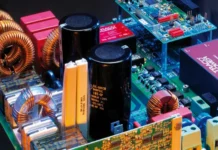


The Automotive Radar Chip Market is emerging as a critical segment within the automotive semiconductor industry. Radar chips are essential components that power radar sensors used in modern vehicles to detect objects, measure distance, and monitor surrounding traffic conditions. These chips are widely used in Advanced Driver Assistance Systems (ADAS) and autonomous driving technologies, making them vital for improving vehicle safety, automation, and intelligent mobility.
As vehicles increasingly integrate advanced sensing technologies, automotive radar chips are becoming fundamental to the development of smart and autonomous transportation systems.
Understanding Automotive Radar Chips
Automotive radar chips are specialized semiconductor devices that process radar signals generated by radar sensors installed in vehicles. These chips operate primarily in the millimeter-wave frequency range (24 GHz, 77 GHz, and 79 GHz) and enable real-time detection of surrounding objects, vehicles, and obstacles.
Radar chips are commonly used in applications such as:
- Adaptive Cruise Control (ACC)
- Automatic Emergency Braking (AEB)
- Blind Spot Detection (BSD)
- Forward Collision Warning (FCW)
- Parking Assistance Systems
Their ability to function effectively in poor lighting and adverse weather conditions makes radar technology more reliable compared to some other sensing solutions.
Market Size and Growth Outlook
The global automotive radar chip market is projected to grow rapidly due to increasing adoption of ADAS and autonomous driving technologies.
Key market estimates include:
- Market Size (2025): around USD 0.08 Billion
- Projected Market Size (2035): approximately USD 0.38 Billion
- CAGR (2026–2035): about 17.5%
Another industry estimate suggests the automotive radar chipset market could grow from USD 5.49 billion in 2025 to USD 15 billion by 2035, reflecting strong demand for radar-based safety systems in vehicles.
This strong growth highlights the increasing importance of radar technology in next-generation automotive electronics.
Key Drivers of Market Growth
Increasing Adoption of ADAS
Advanced Driver Assistance Systems rely heavily on radar technology to monitor surrounding vehicles and road conditions. As automakers integrate more safety features into vehicles, the demand for radar chips continues to rise.
Growth of Autonomous Vehicles
Autonomous and semi-autonomous vehicles require multiple sensors to interpret their environment. Radar chips play a critical role in enabling accurate object detection and tracking in these vehicles.
Government Safety Regulations
Governments across the world are introducing stricter vehicle safety regulations. Many new vehicles are now required to include safety technologies such as emergency braking and collision warning systems, which rely on radar chips.
Expansion of Electric Vehicles
Electric vehicles are adopting advanced electronic architectures that incorporate radar sensors for driver assistance and automated navigation.
Emerging Trends in the Market
Transition to 77 GHz Radar Chips
The industry is shifting from 24 GHz radar technology to 77 GHz systems, which offer higher accuracy, longer detection range, and better resolution.
Radar-on-Chip Integration
Radar-on-chip technology integrates radar functionality into compact semiconductor modules, reducing system complexity and improving performance.
Sensor Fusion Technology
Modern vehicles combine radar chips with cameras, LiDAR, and ultrasonic sensors to create a comprehensive perception system for autonomous driving.
Imaging Radar Development
Next-generation imaging radar chips can detect and classify multiple objects simultaneously, improving safety and vehicle decision-making.
Market Segmentation
The automotive radar chip market can be segmented based on several factors:
By Frequency Band
- 24 GHz Radar Chips
- 77 GHz Radar Chips
- 79 GHz Radar Chips
The 77 GHz segment currently dominates due to its superior detection accuracy and long-range sensing capabilities.
By Application
- Adaptive Cruise Control
- Automatic Emergency Braking
- Blind Spot Detection
- Parking Assistance
- Autonomous Driving Systems
By Vehicle Type
- Passenger Vehicles
- Light Commercial Vehicles
- Heavy Commercial Vehicles
Passenger vehicles account for the largest share due to widespread integration of ADAS features.
Regional Market Insights
Asia-Pacific
Asia-Pacific is expected to dominate the automotive radar chip market due to strong automotive manufacturing and rapid adoption of advanced vehicle technologies in countries such as China, Japan, and South Korea.
North America
North America remains a major technology hub with strong investments in autonomous vehicle development and semiconductor innovation.
Europe
Europe’s strict safety regulations and strong automotive industry are driving the adoption of radar-based safety systems across vehicles.
Key Industry Players
Major semiconductor companies operating in the automotive radar chip market include:
- Infineon Technologies
- Texas Instruments
- NXP Semiconductors
- STMicroelectronics
- Calterah Semiconductor
These companies are investing heavily in radar chip innovation to support advanced driver assistance systems and autonomous vehicle technologies.
Challenges in the Market
Despite strong growth prospects, the industry faces several challenges:
- High development and manufacturing costs
- Signal interference issues in dense traffic environments
- Integration complexity with other sensors
- Cost constraints in low-cost vehicle segments
Future Outlook
The future of the Automotive Radar Chip Market is closely linked to the rapid development of intelligent vehicles and autonomous driving technologies. As automotive electronics continue to advance, radar chips will become increasingly essential for vehicle perception systems.
Key opportunities in the coming decade include:
- High-resolution imaging radar chips
- AI-powered radar signal processing
- Integration with connected vehicle technologies
- Expansion in electric and autonomous vehicle platforms
With increasing emphasis on vehicle safety and automation, automotive radar chips will remain a foundational technology shaping the future of intelligent mobility.