

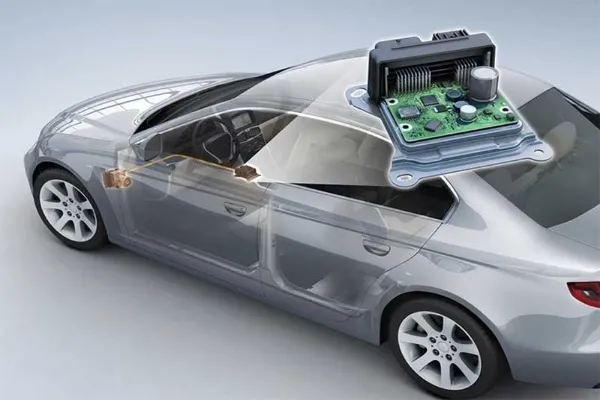
The Automotive Engine Electronic Control Unit (ECU) Modules Market is a critical segment within the broader automotive electronics industry. As vehicles evolve into intelligent, software-driven systems, ECU modules have become essential for managing engine performance, emissions, and overall vehicle efficiency. These modules act as the “brain” of the engine, enabling precise control and optimization of various functions in modern vehicles.
Understanding Engine ECU Modules
Engine ECU modules are embedded electronic systems that control and monitor engine operations by processing data from multiple sensors and adjusting actuators accordingly. They ensure optimal fuel injection, ignition timing, air-fuel ratio, and emission control.
Key functions include:
- Engine performance optimization
- Fuel efficiency management
- Emission reduction
- Real-time diagnostics and fault detection
Modern ECUs replace traditional mechanical control systems with software-based precision, significantly improving vehicle performance and reliability.
Market Outlook and Growth Trajectory
The global automotive engine ECU modules market is witnessing strong growth due to increasing vehicle electrification, regulatory requirements, and demand for advanced vehicle functionalities. The market is expected to expand steadily, supported by rising vehicle production and technological advancements.
Estimates indicate the market could surpass USD 90+ billion by 2030, reflecting robust long-term demand.
Additionally, the broader automotive ECU market is already valued at over USD 80 billion, highlighting the scale and importance of electronic control systems in modern vehicles.
Key Growth Drivers
Stringent Emission Regulations
Governments worldwide are enforcing strict emission standards, requiring precise engine control systems. ECU modules play a central role in optimizing combustion and reducing emissions.
Growth in Electric and Hybrid Vehicles
The transition toward hybrid and electric vehicles is increasing the complexity of powertrain systems. Advanced ECUs are required to manage both internal combustion engines and electric components efficiently.
Rising Demand for Fuel Efficiency
Consumers and regulators are pushing for higher fuel efficiency, which is achieved through intelligent engine management enabled by ECU modules.
Expansion of ADAS and Connected Technologies
The integration of Advanced Driver Assistance Systems (ADAS) and connected vehicle technologies is increasing the need for high-performance ECUs capable of real-time data processing and decision-making.
Emerging Industry Trends
Shift Toward Centralized and Domain ECUs
Automakers are moving from multiple standalone ECUs to centralized or domain-based architectures, improving efficiency and reducing system complexity.
Increasing Computational Power
Next-generation ECUs are equipped with high-performance processors to handle complex algorithms, sensor fusion, and real-time analytics.
Integration with Software-Defined Vehicles
ECUs are becoming software-driven, enabling over-the-air updates, enhanced diagnostics, and continuous performance improvements.
Adoption of 48V Architectures
The rise of 48V systems in mild-hybrid vehicles is driving the need for more advanced ECU modules to manage higher electrical loads and energy efficiency.
Market Segmentation Insights
By Vehicle Type
- Passenger vehicles dominate due to high production volumes
- Commercial vehicles show steady growth driven by fleet modernization
By Powertrain Type
- Internal combustion engine (ICE) vehicles
- Hybrid vehicles
- Electric vehicles
Each segment requires specialized ECU configurations tailored to its operational needs.
By Sales Channel
- OEMs dominate the market as ECUs are integrated during vehicle manufacturing
- Aftermarket demand is driven by replacement, upgrades, and maintenance needs
Regional Insights
- Asia-Pacific leads the market due to large-scale automotive production and rapid adoption of advanced technologies
- Europe is driven by strict emission regulations and innovation in automotive engineering
- North America shows steady growth supported by technological advancements and increasing EV adoption
Market Challenges
Despite strong growth potential, the market faces several challenges:
- High R&D and development costs
- Increasing software complexity
- Supply chain constraints for semiconductor components
- Cybersecurity risks in connected vehicles
These challenges are being addressed through innovation in semiconductor technologies and software optimization.
Competitive Landscape
The market is moderately consolidated, with major players such as Bosch, Continental, and Denso leading through strong R&D capabilities and global supply chains.
Competition is driven by innovation in processing power, software capabilities, and integration with next-generation vehicle architectures.
Future Outlook
The future of the automotive engine ECU modules market is closely aligned with the evolution of intelligent and electrified mobility. As vehicles become more connected, automated, and software-defined, ECU modules will continue to play a foundational role in vehicle operation.
With advancements in AI, electrification, and centralized computing architectures, ECU systems are expected to become more powerful, efficient, and integrated—shaping the next generation of automotive innovation.











 Modules Market is a critical segment within broader automotive electronics industry.)