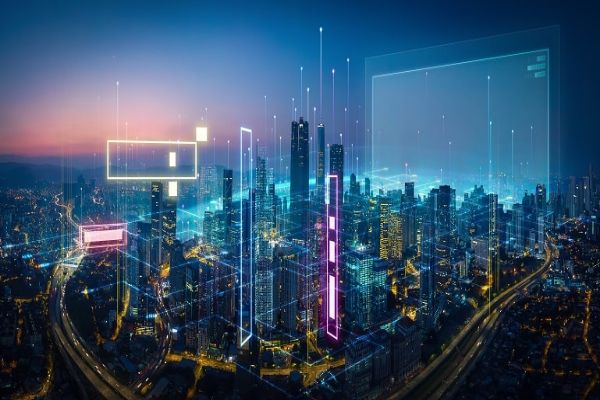
In the age of rapid digital transformation, the Internet of Things (IoT) is redefining how cities, industries, and communities function. By connecting devices, sensors, and systems through the internet, IoT enables real-time data collection and intelligent decision-making across multiple sectors. From traffic lights that respond dynamically to road conditions to buildings that manage their own energy consumption, IoT is laying the foundation for smart infrastructure, the next stage of modern development.
As urbanization continues to rise and sustainability becomes a global priority, IoT-driven infrastructure is helping governments and businesses create more efficient, safe, and resilient environments.
The Role of IoT in Building Smart Infrastructure
At its core, IoT refers to a network of interconnected devices that communicate and exchange data without human intervention. When applied to infrastructure, IoT systems monitor and optimize the performance of assets such as roads, bridges, utilities, and public facilities.
In traditional infrastructure, maintenance and monitoring often rely on manual inspections, which can be time-consuming and costly. IoT changes this by embedding sensors in physical assets that continuously collect data on temperature, pressure, vibration, or structural integrity. This allows real-time monitoring and predictive maintenance, reducing failures and improving safety.
For example, in a smart city, IoT sensors can detect traffic congestion and adjust signal timings to ease flow. In water management, connected meters can identify leaks instantly, preventing waste and reducing costs. These smart systems ensure that infrastructure operates efficiently while conserving resources.
Smart Cities: The Future of Urban Living
IoT is the backbone of smart cities, urban ecosystems that use digital technologies to enhance the quality of life for residents. As cities face growing challenges such as population density, pollution, and resource scarcity, IoT-driven solutions are helping them become more adaptive and sustainable.
Smart lighting systems, for instance, adjust brightness based on natural light levels and pedestrian movement, saving energy and reducing light pollution. Waste management systems use IoT-enabled bins that signal collection trucks only when they are full, cutting unnecessary trips and emissions.
Transportation networks are also benefiting from IoT integration. Smart parking systems guide drivers to available spaces, reducing traffic congestion and fuel consumption. Public buses and trains use connected sensors to monitor routes, track delays, and improve punctuality.
Cities like Singapore, Barcelona, and Dubai are already leading examples of how IoT can transform urban life. They have implemented integrated platforms that collect and analyze data from multiple city systems, enabling more responsive governance and efficient use of resources.
Transforming Energy and Utilities
IoT is playing a pivotal role in modernizing energy and utility infrastructure. As the world transitions toward renewable energy and decentralized power systems, smart grids are becoming essential for balancing supply and demand in real time.
IoT-enabled smart meters allow both consumers and utility providers to monitor energy usage more accurately. These devices can automatically adjust power distribution based on consumption patterns, helping to avoid blackouts and reduce energy waste.
In water and gas utilities, IoT sensors provide insights into flow rates, pressure, and quality, allowing early detection of leaks or contamination. This proactive approach not only conserves valuable resources but also ensures consistent and safe service delivery.
Moreover, IoT integration in renewable energy systems such as solar farms and wind turbines enables remote monitoring and predictive maintenance, improving efficiency and reducing downtime. The combination of IoT and clean energy technologies is accelerating the shift toward more sustainable and resilient utility networks.
Enhancing Infrastructure Resilience and Safety
One of the most valuable contributions of IoT to infrastructure is its ability to improve safety and resilience. With climate change increasing the frequency of extreme weather events, cities and industries must prepare for unexpected disruptions. IoT provides real-time insights that help prevent damage and ensure quicker recovery.
For example, in flood-prone areas, IoT sensors monitor rainfall and water levels to provide early warnings, allowing authorities to take preventive action. In the construction industry, connected sensors track the structural health of bridges, tunnels, and buildings, identifying potential weaknesses before they pose a risk.
During disasters, IoT devices play a crucial role in maintaining communication and coordinating emergency response. Smart infrastructure systems can automatically shut down utilities, reroute traffic, or alert rescue teams, minimizing loss and improving safety outcomes.
Smart Buildings and Facility Management
The integration of IoT in building design and management is creating a new generation of smart buildings that prioritize efficiency, comfort, and sustainability. These structures use connected systems to control lighting, heating, ventilation, and air conditioning (HVAC) based on real-time occupancy and weather conditions.
For instance, IoT-based building management systems can detect when rooms are empty and automatically reduce energy usage. Smart elevators adjust their operation during peak hours, and predictive maintenance tools alert technicians before equipment fails.
These innovations not only lower energy consumption but also enhance user experience by maintaining optimal indoor conditions. In large commercial spaces, IoT platforms integrate data from sensors, security cameras, and access controls to provide comprehensive facility management through a single dashboard.
As companies focus more on sustainability and employee well-being, smart buildings are becoming a standard in modern architecture and real estate development.
Challenges in IoT-Driven Infrastructure
Despite its benefits, the widespread adoption of IoT in infrastructure faces several challenges. Data security and privacy remain top concerns, as the massive amount of information collected by IoT devices can be vulnerable to cyberattacks. Establishing robust cybersecurity measures and data governance policies is critical to maintaining trust and safety.
Interoperability is another challenge. Different IoT systems often use varying communication protocols and platforms, making integration complex. Developing common standards and ensuring compatibility among devices will be essential for seamless operation.
Additionally, the cost of deploying and maintaining IoT infrastructure can be significant, especially in developing regions. However, as technology becomes more affordable and scalable, the return on investment through improved efficiency and reduced maintenance costs is expected to outweigh the initial expenses.
The Road Ahead
The future of smart infrastructure is deeply intertwined with the growth of IoT. As technologies like artificial intelligence, 5G, and edge computing continue to evolve, they will further enhance the capabilities of IoT systems. Real-time analytics, faster data transmission, and greater automation will allow cities and industries to operate more intelligently and sustainably.
Governments and private sectors must collaborate to create supportive policies, invest in digital infrastructure, and promote innovation in smart technologies. With the right strategy, IoT-driven infrastructure can lead to more connected, efficient, and sustainable communities across the world.
Conclusion
The Internet of Things is revolutionizing how infrastructure is designed, built, and managed. By enabling smarter decision-making, improving resource efficiency, and enhancing safety, IoT is transforming traditional systems into intelligent networks that adapt to human needs and environmental challenges.
As the world moves toward a more connected future, IoT-powered smart infrastructure will be a cornerstone of economic growth, environmental sustainability, and improved quality of life.