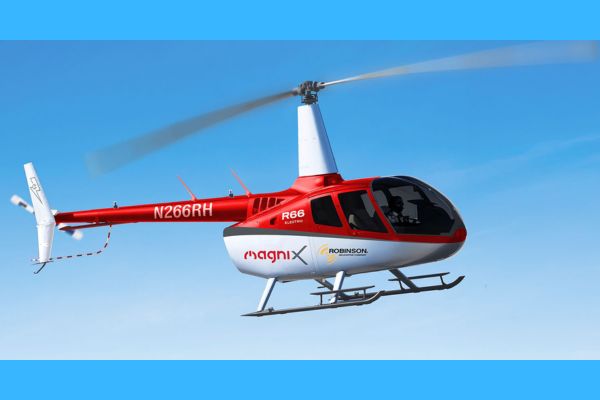
The electric rotorcraft market is developing as a major transformative area within the aerospace and advanced air mobility sector. With increasing global emphasis on reducing carbon emissions and adopting sustainable transport solutions, electric propulsion is significantly changing how rotorcraft are designed, how they perform, and how efficiently they operate. These aircraft—including electric helicopters and eVTOL (electric vertical takeoff and landing) models—are steadily gaining adoption across civilian, commercial, and military use cases.
According to Research Intelo, the global electric rotorcraft market was valued at USD 1.8 billion in 2024 and is projected to reach USD 12.6 billion by 2033, expanding at an impressive CAGR of 23.4%. This robust growth trajectory underscores the increasing adoption of electric aviation technologies and the strong momentum behind sustainable air mobility solutions.
Market Dynamics
- Rising Demand for Sustainable Urban Air Mobility:
Growing demand for sustainable urban air mobility is driving adoption, as cities worldwide seek to alleviate congestion and reduce carbon emissions. The integration of advanced battery technologies, along with increasing investments in electric aviation infrastructure, is accelerating the deployment and commercialization of electric rotorcraft across diverse applications. As governments and private enterprises prioritize cleaner transportation alternatives, the market is positioned for substantial global expansion.
- Advancements in Battery and Propulsion Technologies:
Advances in battery energy density, electric propulsion systems, and lightweight composite materials have significantly enhanced the range, payload capacity, and operational efficiency of electric rotorcraft. The integration of autonomous flight control systems, AI-driven navigation, and real-time diagnostics is enabling safer and more reliable operations, particularly in complex urban environments. These innovations are reducing operating costs while supporting scalable deployment in both commercial and defense sectors. Continued R&D investments are expected to drive breakthroughs such as fast-charging solutions and hybrid propulsion architectures.
- Urban Air Mobility and Smart City Integration:
Rising urban population density is increasing the need for faster, more flexible, and environmentally sustainable transportation solutions. The emergence of urban air mobility (UAM) as a viable alternative to ground-based transit is reshaping mobility planning. Enterprises, logistics providers, and emergency services are leveraging electric rotorcraft for time-sensitive deliveries, medical evacuations, and rapid response operations. Additionally, demand for premium, on-demand air mobility services is growing, particularly in densely populated metropolitan areas.
- Regulatory Support, Policy Reforms, and Government Incentives:
Aviation authorities across key markets are developing certification standards, airspace management frameworks, and safety protocols tailored to electric and hybrid rotorcraft. Financial incentives, including tax credits, grants, and public-private partnerships, are lowering entry barriers for manufacturers and operators. Initiatives focused on urban air corridors, vertiport integration, and pilot programs are accelerating market readiness. Increasing alignment of international standards is expected to further stimulate investment and cross-industry collaboration.
Key Market Segments
By Type
- Electric Helicopters
- Hybrid Electric Rotorcraft
- eVTOL Aircraft
By Application
- Passenger Transportation
- Cargo and Logistics
- Emergency Medical Services (EMS)
- Military and Defense
By Range
- Short Range (Below 100 km)
- Medium Range (100–300 km)
- Long Range (Above 300 km)
Regional Insights
- North America
North America dominates the global electric rotorcraft market, accounting for over 38% of total market value in 2024. This leadership is supported by a mature aerospace ecosystem, strong regulatory frameworks, and substantial investments from leading technology firms and defense contractors. The United States continues to drive innovation through active research, pilot programs, and regulatory advancements in urban air mobility and eVTOL aircraft.
- Asia Pacific
Asia Pacific is expected to register the fastest growth, with a projected CAGR exceeding 27% from 2025 to 2033. Rapid urbanization, increasing congestion in megacities, and proactive government support for smart mobility initiatives are key growth drivers. Countries such as China, Japan, and South Korea are investing heavily in electric aviation infrastructure, including vertiports and charging networks.
- Rest of the World
Regions including Latin America, the Middle East, and Africa are gradually adopting electric rotorcraft technologies. Growth in these markets is primarily driven by demand for emergency services, disaster response, and cargo transportation in remote areas. However, adoption is constrained by limited infrastructure, high initial costs, and evolving regulatory environments.
Competitive Landscape
The electric rotorcraft market is characterized by intense competition and rapid innovation. Market participants are focusing on research and development, strategic partnerships, and pilot programs to strengthen their positions. Collaborations between aerospace manufacturers, technology firms, and mobility service providers are accelerating commercialization timelines.
Both startups and established aerospace companies are investing heavily in prototype development and certification processes. Competitive differentiation is largely based on range, payload capacity, safety systems, and cost efficiency.
Challenges
Despite strong growth prospects, the market faces several challenges. Regulatory uncertainties and the lack of harmonized certification standards can delay product approvals and increase compliance costs.
In addition, dependence on critical raw materials for battery production exposes manufacturers to supply chain disruptions and price volatility. Ensuring interoperability, cybersecurity, and data privacy within increasingly connected rotorcraft ecosystems remains a key concern. Addressing these challenges will require sustained investment, industry collaboration, and proactive regulatory engagement.
Future Outlook
The electric rotorcraft market is poised for substantial expansion as technological advancements continue to address current limitations. Increasing investments, supportive government policies, and rising awareness of sustainable aviation solutions are expected to drive widespread adoption.
As urban air mobility ecosystems mature and infrastructure development accelerates, electric rotorcraft will become a vital component of next-generation transportation networks. The convergence of sustainability, innovation, and advanced mobility is set to redefine vertical flight, positioning electric rotorcraft at the forefront of aerospace evolution.