
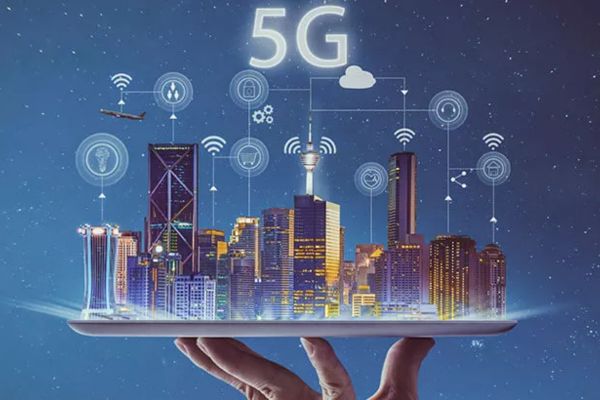
The rapid advancement of digital technologies is transforming industries and urban environments across the world. Among these innovations, 5G technology is playing a critical role in enabling faster communication, improved connectivity, and real time data exchange. These capabilities are essential for building smart infrastructure and supporting Industry 4.0 applications.
As businesses and governments focus on digital transformation, 5G is becoming the foundation for more efficient and connected systems. Its ability to handle large volumes of data with minimal delay is reshaping how industries operate and how cities are managed.
Understanding 5G Technology
5G technology is the latest generation of wireless communication, offering significantly higher speeds, lower latency, and greater capacity compared to previous networks. It allows devices to communicate almost instantly, making it ideal for applications that require real time responses.
This advanced connectivity supports a wide range of devices, from smartphones to industrial machines. It enables seamless communication between systems, which is essential for modern digital environments.
By providing reliable and high speed connections, 5G is helping businesses and cities move toward smarter and more efficient operations.
Enabling Smart Infrastructure
Smart infrastructure refers to systems that use digital technologies to improve efficiency, sustainability, and performance. Examples include smart transportation systems, energy grids, and urban management platforms.
5G technology enhances these systems by enabling real time data collection and communication. Sensors and connected devices can transmit information instantly, allowing authorities to monitor and manage infrastructure more effectively.
For example, smart traffic systems can use 5G to adjust signals based on real time traffic conditions, reducing congestion and improving travel times. Similarly, energy systems can optimize power distribution by analyzing usage patterns in real time.
These capabilities make infrastructure more responsive and efficient, contributing to better quality of life in urban areas.
Supporting Industry 4.0 Applications
Industry 4.0 represents the integration of digital technologies into manufacturing and industrial processes. It includes concepts such as automation, data analytics, and interconnected systems.
5G technology is a key enabler of Industry 4.0 by providing the connectivity needed for these systems to function effectively. Industrial machines, sensors, and control systems can communicate in real time, improving coordination and efficiency.
In manufacturing, 5G supports advanced applications such as robotics, remote monitoring, and predictive maintenance. These technologies allow businesses to optimize production processes and reduce downtime.
The ability to connect multiple devices seamlessly also enables the creation of smart factories, where operations are highly automated and data driven.
Enhancing Real Time Data Processing
One of the most important advantages of 5G is its ability to support real time data processing. Low latency ensures that data is transmitted and processed almost instantly.
This is critical for applications that require immediate responses, such as autonomous systems and industrial automation. Real time data allows businesses to make quick decisions and respond to changing conditions.
In smart infrastructure, real time data helps improve efficiency and reduce operational risks. For example, monitoring systems can detect issues early and trigger corrective actions before problems escalate.
This level of responsiveness is essential for modern digital ecosystems.
Improving Efficiency and Productivity
5G technology contributes to higher efficiency and productivity across industries. By enabling faster communication and data exchange, it reduces delays and improves coordination between different systems.
Businesses can streamline operations, reduce manual intervention, and optimize resource usage. This leads to cost savings and improved performance.
In industrial environments, 5G supports automation and advanced analytics, which enhance production efficiency. In urban settings, it helps manage resources more effectively, contributing to sustainable development.
These improvements make 5G a valuable tool for driving growth and innovation.
Challenges in Implementation
Despite its benefits, implementing 5G technology comes with challenges. One of the main challenges is the cost of infrastructure development. Building and maintaining 5G networks requires significant investment.
There are also technical challenges related to integration with existing systems. Businesses and governments need to ensure compatibility and smooth transition from older technologies.
In addition, concerns related to data security and privacy must be addressed. As more devices become connected, protecting sensitive information becomes increasingly important.
Overcoming these challenges is essential for maximizing the benefits of 5G technology.
Future Outlook
The future of 5G technology is closely linked to the continued growth of smart infrastructure and Industry 4.0. As networks expand and technology advances, new applications will emerge.
5G is expected to support innovations such as autonomous transportation, advanced robotics, and intelligent urban systems. These developments will further enhance efficiency and connectivity.
As adoption increases, 5G will become a fundamental part of digital transformation strategies across industries and regions.
Conclusion
5G technology is transforming the way infrastructure and industries operate by enabling faster, more reliable, and real time communication. It plays a crucial role in supporting smart infrastructure and Industry 4.0 applications.
By improving connectivity, efficiency, and data processing capabilities, 5G is helping businesses and cities become more intelligent and responsive. While challenges remain, its potential to drive innovation and growth is significant.
As the world continues to embrace digital transformation, 5G will remain a key enabler of modern and future ready systems.