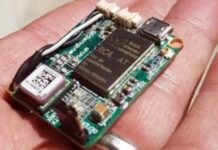


The global electronics industry is entering a new era of innovation, driven by the growing adoption of RISC-V, an open-source instruction set architecture (ISA) that is reshaping how processors are designed, developed, and deployed. Unlike proprietary architectures such as ARM or x86, RISC-V offers an open and flexible foundation for hardware design, giving engineers and companies the freedom to customize processors to meet specific application needs.
As demand for efficient, cost-effective, and secure computing grows, RISC-V is emerging as a disruptive force in modern electronics. It brings significant opportunities for innovation, but also comes with challenges related to maturity, ecosystem support, and standardization.
Understanding RISC-V and Its Appeal
RISC-V (pronounced “risk-five”) is based on the Reduced Instruction Set Computing (RISC) principle, which simplifies processor design by using a smaller set of instructions compared to complex instruction set architectures. Originally developed at the University of California, Berkeley, RISC-V was released as an open standard, allowing anyone to use, modify, or extend it without licensing fees.
This open-source model differentiates RISC-V from proprietary alternatives. Traditional chip architectures often require companies to pay royalties or depend on restrictive licensing agreements, which limit flexibility and increase costs. In contrast, RISC-V allows full customization, enabling developers to design processors optimized for specific performance, power, or cost requirements.
This freedom makes RISC-V particularly appealing in industries such as IoT, automotive, consumer electronics, and AI hardware, where product differentiation and rapid innovation are crucial.
Opportunities Driving RISC-V Adoption
The momentum behind RISC-V adoption continues to grow, supported by its versatility and potential to democratize chip design. Several key opportunities are fueling its rise in modern electronics.
1. Customization and Design Freedom
One of RISC-V’s greatest advantages is the ability to tailor processors to specific applications. Designers can start with a base ISA and add custom extensions to meet performance or power goals. For example, companies developing smart sensors or edge AI devices can create lightweight RISC-V cores optimized for low energy consumption and real-time processing.
This modularity allows startups and established firms alike to innovate without being tied to the limitations of fixed architectures. It empowers industries to develop specialized chips for everything from wearables to industrial automation.
2. Cost Efficiency and Independence
Because RISC-V is royalty-free, it significantly lowers entry barriers for hardware development. Small and medium enterprises that previously could not afford licensing fees now have access to advanced processor technology. This democratization of hardware design fosters a more competitive and diverse semiconductor market.
Moreover, as global supply chain and geopolitical tensions reshape technology ecosystems, many countries are looking to reduce dependence on foreign-controlled architectures. RISC-V’s open nature supports greater technological sovereignty, allowing nations and companies to design chips without external restrictions.
3. Growing Ecosystem and Collaboration
The RISC-V ecosystem is expanding rapidly, with support from leading semiconductor players such as SiFive, Western Digital, Alibaba, NVIDIA, and Qualcomm. These companies are investing in RISC-V cores for a wide range of products, from data storage devices to high-performance processors.
Collaborative organizations like RISC-V International are standardizing extensions and fostering global cooperation among developers. This community-driven approach accelerates innovation and ensures that RISC-V continues to evolve to meet modern performance and security demands.
Real-World Applications of RISC-V
RISC-V is already making a mark across several technology domains. In consumer electronics, it powers microcontrollers in wearables, smart home devices, and IoT sensors. Companies like Espressif Systems have integrated RISC-V cores in their popular Wi-Fi and Bluetooth chips.
In automotive electronics, RISC-V is being explored for safety-critical systems, offering flexibility for designing chips that comply with stringent industry standards. Similarly, in AI and machine learning, RISC-V’s customizable extensions are ideal for developing accelerators that optimize specific workloads.
The architecture is also gaining attention in data centers and edge computing, where efficiency and scalability are key. With ongoing advancements, RISC-V is expected to play an even greater role in high-performance computing and embedded systems.
Challenges Hindering Wider Adoption
Despite its promise, RISC-V faces challenges that must be addressed for it to achieve widespread adoption.
1. Ecosystem Maturity
Compared to established architectures like ARM or x86, RISC-V’s software and development ecosystem is still maturing. While toolchains, compilers, and operating system support are improving, developers sometimes face compatibility issues and limited optimization options.
Enterprises transitioning to RISC-V must invest time and resources into adapting their software stacks, which can slow down development cycles. Continued collaboration among hardware and software vendors will be essential to overcome these limitations.
2. Fragmentation and Standardization
The very flexibility that makes RISC-V attractive can also create challenges. With so many organizations creating custom extensions, there is a risk of fragmentation, where different implementations are not fully compatible.
Efforts by RISC-V International to establish common standards for extensions are helping, but maintaining a balance between customization and interoperability remains a priority. Without consistent standards, large-scale adoption could become more complex.
3. Performance and Market Competition
While RISC-V cores are highly efficient for embedded and low-power applications, they still lag behind ARM and x86 architectures in some high-performance computing areas. Established players benefit from decades of optimization, robust software ecosystems, and widespread industry adoption.
However, as RISC-V technology matures and investments increase, its performance gap is narrowing. Emerging designs like SiFive’s high-performance cores are already proving competitive in many workloads.
The Future of RISC-V in Electronics Design
RISC-V’s future looks promising as it continues to gain traction across industries. Governments and organizations worldwide are investing in RISC-V-based initiatives to build domestic chip ecosystems. India, for example, has expressed strong interest in RISC-V for its Digital India Semiconductor Mission, recognizing its potential for cost-effective and locally controlled chip design.
In the coming years, advancements in RISC-V compilers, debugging tools, and software support will accelerate its adoption. With increased collaboration and open innovation, RISC-V could become the foundation for a new generation of processors that balance performance, affordability, and design freedom.
Conclusion
RISC-V represents a significant shift in how processors are designed and developed. Its open-source nature empowers engineers and companies to innovate without constraints, promoting flexibility, affordability, and independence in electronics design.
While challenges remain in ecosystem maturity and standardization, the growing momentum and industry support suggest that RISC-V will play a central role in the future of computing.
As technology continues to advance, RISC-V offers a pathway toward a more open, collaborative, and innovation-driven semiconductor landscape, one where creativity and accessibility define the next wave of electronic design.