
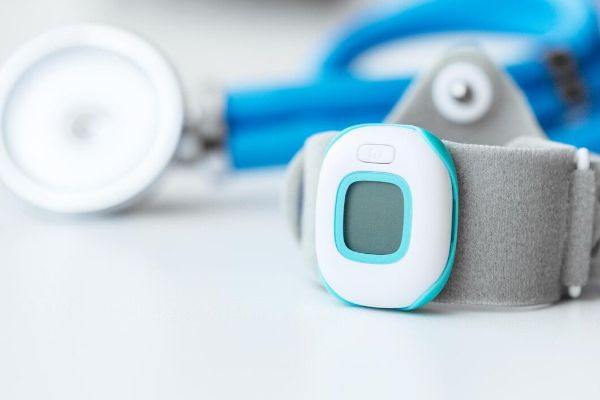
The convergence of healthcare and technology is transforming the way medical services are delivered, monitored, and experienced. From smartwatches that track heart rate and sleep patterns to advanced remote patient monitoring systems and implantable medical devices, wearable technologies are reshaping modern healthcare. At the core of these innovations lies a critical component that often goes unnoticed: embedded boards.
Embedded boards serve as the processing backbone of connected healthcare devices, enabling real-time data acquisition, analysis, communication, and decision-making. As healthcare systems worldwide shift towards preventive, personalized, and remote care models, the demand for high-performance, reliable, and medical-grade embedded systems is growing rapidly.
The Rise of Wearable Healthcare Technologies
Wearable devices have evolved significantly over the past decade. What began as fitness trackers has expanded into sophisticated medical solutions capable of monitoring vital signs such as blood glucose levels, blood pressure, electrocardiograms (ECG), oxygen saturation, and even early indicators of chronic diseases.
These devices empower individuals to take greater control of their health while enabling healthcare providers to monitor patients continuously outside traditional clinical settings. This shift has proven particularly valuable for managing chronic illnesses, elderly care, post-operative recovery, and improving access to healthcare in remote regions.
The success of wearable healthcare solutions depends heavily on embedded boards that can process vast amounts of data while operating within strict constraints related to power consumption, size, and reliability.
Why Medical-Grade Embedded Boards Matter
Unlike conventional embedded systems, medical-grade embedded boards must adhere to stringent standards for safety, accuracy, durability, and cybersecurity. Even minor inaccuracies in data collection or transmission can have significant implications for patient care.
Designing embedded systems for healthcare applications requires a multidisciplinary approach that integrates expertise in electronics, software engineering, biomedical sciences, data analytics, and regulatory compliance.
Key considerations include:
- High-precision sensor integration for accurate data collection
- Ultra-low power consumption to extend battery life
- Secure data transmission and storage mechanisms
- Real-time processing capabilities for critical applications
- Compliance with medical safety and quality standards
- Scalability and interoperability across healthcare ecosystems
As healthcare becomes increasingly connected, embedded boards must also support seamless integration with cloud platforms, artificial intelligence tools, and electronic health record systems.
Advancing Remote Patient Monitoring
Remote patient monitoring (RPM) has emerged as one of the most impactful applications of embedded technologies. By enabling continuous monitoring of patients from their homes, RPM systems reduce hospital visits, improve clinical outcomes, and optimize healthcare resources.
Medical-grade embedded boards facilitate the collection and transmission of real-time patient data, allowing healthcare professionals to identify anomalies, intervene proactively, and deliver personalized care.
Future advancements in edge computing and AI-enabled embedded systems will further enhance RPM capabilities by enabling devices to process data locally, reduce latency, and generate actionable insights without relying solely on cloud infrastructure.
Innovation Through Research and Collaboration
The rapid evolution of wearable and medical technologies underscores the need for robust research ecosystems that foster collaboration between academia, industry, healthcare providers, and policymakers.
Academic institutions play a vital role in nurturing the next generation of engineers and researchers capable of addressing complex healthcare challenges. By promoting interdisciplinary research, facilitating access to advanced laboratories, and encouraging industry partnerships, universities can accelerate the development of innovative embedded solutions for healthcare applications.
Engineering education must evolve to equip students with expertise in embedded systems design, artificial intelligence, biomedical engineering, cybersecurity, and data science. Experiential learning through research projects, innovation centres, and collaborative initiatives can help bridge the gap between theoretical knowledge and real-world healthcare needs.
At Lovely Professional University (LPU), innovation is nurtured through a strong ecosystem of advanced laboratories, industry collaborations, and experiential learning. State-of-the-art facilities in Embedded Systems, IoT, Robotics, Artificial Intelligence, and VLSI empower students and researchers to develop solutions for real-world challenges, including next-generation healthcare technologies. Through its Edu-Revolution initiative, LPU is reimagining engineering education by integrating interdisciplinary learning, hands-on projects, research, and industry engagement. This approach not only fosters innovation and technological excellence but also enhances career readiness, enabling graduates to secure opportunities in emerging domains such as semiconductors, embedded systems, robotics, and intelligent automation. By bridging the gap between academia and industry, LPU continues to prepare future engineers to create impactful technologies for a smarter and healthier world.