

As the Internet of Things (IoT) continues to expand into nearly every aspect of modern life, the demand for reliable and resilient hardware has never been greater. From connected vehicles and smart factories to wearable health monitors and home automation systems, IoT devices must perform seamlessly even in challenging electromagnetic environments. Designing for electromagnetic resilience is now a critical priority for manufacturers aiming to ensure device reliability, safety, and performance. As we move into 2026, evolving standards, growing connectivity, and increasing signal congestion make it essential for engineers to adopt best practices that strengthen hardware against electromagnetic interference (EMI) and electromagnetic compatibility (EMC) issues.
Understanding Electromagnetic Resilience
Electromagnetic resilience refers to a device’s ability to function properly in the presence of electromagnetic disturbances. These disturbances can originate from other electronic devices, power lines, wireless signals, or even natural phenomena such as lightning. When devices are not properly designed to handle interference, they can malfunction, lose data, or experience degraded performance.
For IoT systems, which often rely on continuous communication and low-power operation, even minor interference can disrupt connectivity or cause inaccurate data transmission. As the number of wireless-enabled devices increases, so does the risk of electromagnetic conflicts. Ensuring that IoT hardware can withstand and operate efficiently amid these challenges is essential to maintaining system integrity and user trust.
The Growing Challenge in the IoT Era
The rapid expansion of IoT ecosystems has led to a dense electromagnetic environment where countless signals coexist. Smart homes, industrial automation, and autonomous systems now share frequencies with existing wireless technologies such as Wi-Fi, Bluetooth, and 5G. In such a crowded spectrum, maintaining device performance and communication stability is increasingly complex.
Moreover, IoT devices are becoming smaller and more power-efficient, which can make them more susceptible to external interference. Compact designs often leave limited space for shielding or grounding components, making careful planning even more important. Regulatory bodies worldwide are also tightening EMC standards to ensure product safety and performance, adding further responsibility to manufacturers to build resilient hardware.
In this context, designing for electromagnetic resilience is not just about compliance; it has become a competitive advantage that defines product quality and reliability.
Key Design Principles for Robust IoT Hardware
Achieving electromagnetic resilience starts at the design stage. Engineers must consider the entire system from circuit layout to enclosure design to minimize susceptibility and emissions. A well-planned circuit board layout is the foundation of electromagnetic robustness. Placing high-frequency components away from sensitive analog circuits, minimizing loop areas, and maintaining consistent grounding can significantly reduce interference.
Shielding is another crucial aspect. Metal enclosures, conductive coatings, and shielding films can prevent external noise from entering the device and stop internal signals from radiating outward. Proper grounding and filtering further enhance stability by controlling the flow of unwanted currents.
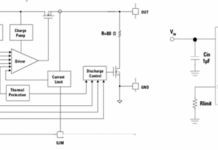
Component selection also plays a major role. Using low-noise voltage regulators, robust transceivers, and high-quality capacitors can help maintain stable operation under varying electromagnetic conditions. Engineers are increasingly using simulation tools to predict electromagnetic behavior before production, enabling proactive design optimization.
Finally, effective testing and validation are key. Conducting EMI and EMC tests throughout the development process ensures that design improvements are based on real-world conditions rather than assumptions. Early testing helps identify weaknesses that could lead to compliance failures or field issues.
Integrating AI and Predictive Design Tools
By 2026, artificial intelligence is expected to play a significant role in enhancing electromagnetic design. AI-driven design software can analyze complex datasets from past projects and predict potential EMI issues before hardware fabrication. This predictive capability allows engineers to fine-tune layouts, component placement, and shielding strategies automatically, reducing development time and costs.
AI tools can also assist in optimizing materials and structural designs for enclosures, identifying the most effective combinations for minimizing interference. These intelligent systems are revolutionizing the traditional trial-and-error approach to hardware design, making electromagnetic resilience more precise and efficient.
Machine learning algorithms integrated into testing platforms can help interpret electromagnetic data in real time, allowing engineers to detect and correct issues much faster. As IoT systems become more intricate, such AI-enhanced design tools will be indispensable in creating reliable, compliant, and high-performing devices.
Sustainability and Energy Efficiency in Design
While electromagnetic resilience focuses on performance and stability, sustainability and efficiency remain equally important. IoT manufacturers are now tasked with designing hardware that not only resists interference but also minimizes energy consumption and material waste.
Using recyclable shielding materials and eco-friendly coatings contributes to sustainable design. Moreover, efficient circuit layouts that reduce power losses and heat generation improve both device longevity and energy efficiency. By integrating resilience and sustainability, engineers can create hardware that meets modern environmental and performance expectations simultaneously.
The Road Ahead: Standards and Global Collaboration
As IoT networks grow more interconnected, maintaining consistent standards for electromagnetic resilience becomes increasingly vital. Global organizations such as the International Electrotechnical Commission (IEC) and the International Organization for Standardization (ISO) continue to update guidelines to address emerging technologies. Collaboration between manufacturers, regulators, and research institutions is key to creating a unified approach to EMI and EMC management.
In the coming years, the focus will likely shift toward developing adaptive hardware that can dynamically respond to changing electromagnetic conditions. Self-calibrating systems and smart materials may enable devices to automatically adjust their shielding or signal strength, offering real-time protection against interference.
Conclusion
Designing for electromagnetic resilience is a cornerstone of modern IoT innovation. As the digital landscape becomes more crowded and interconnected, the ability of devices to operate reliably amid electromagnetic challenges will define their success. Through thoughtful design, advanced simulation tools, AI-driven optimization, and adherence to evolving standards, engineers can create hardware that is both robust and future-ready.
In 2026 and beyond, electromagnetic resilience will not just be a technical requirement but it will be a defining factor in building smarter, safer, and more sustainable IoT ecosystems.