

What is a Display Module?
A display module is a fully integrated electronic unit designed to present visual information such as text, graphics, images, videos, or user interface elements. While many people think of it as simply a screen, a display module is much more than the visible display panel. It combines several essential components including the display panel, display controller, driver ICs, interface connectors, and, in many cases, a touch sensor into a single, ready-to-use solution.
The primary purpose of a display module is to act as the communication bridge between an electronic system and its user. It receives digital signals from a processor or microcontroller, processes the information, and converts it into visual output that users can easily understand and interact with. This makes display modules an indispensable part of modern electronic devices.
Why Display Modules Are Essential in Modern Electronics
Modern electronic devices are becoming increasingly intelligent, connected, and interactive. As technology evolves, users expect products to deliver intuitive interfaces, real-time information, and visually engaging experiences. Display modules play a central role in meeting these expectations by providing a reliable and efficient way for users to interact with electronic systems.
In consumer electronics, display modules enhance usability by delivering crisp visuals, responsive touch controls, and smooth graphical interfaces. Smartphones, tablets, laptops, gaming consoles, and smart home devices all rely on advanced display modules to create seamless user experiences. In industrial environments, display modules serve as Human Machine Interfaces (HMIs), allowing operators to monitor production lines, control machinery, analyze performance metrics, and respond quickly to system alerts.
How a Display Module Works
Although different display technologies operate in unique ways, the fundamental working principle of a display module follows a structured process.
The operation begins when a processor, graphics controller, or microcontroller generates digital image data based on user inputs, software commands, or sensor readings. This data is transmitted to the display controller through communication interfaces such as SPI, HDMI, LVDS, MIPI DSI, RGB, USB, or Embedded DisplayPort (eDP).
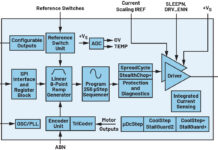
The display controller interprets the incoming information and sends precise signals to the driver integrated circuits (Driver ICs). These driver ICs activate individual pixels by controlling voltage levels across the display panel. Depending on the display technology, the pixels either manipulate external light as in LCD displays or emit their own light, as seen in OLED and Micro LED technologies.
Key Components of a Display Module
A display module consists of multiple integrated components that work together to deliver high-quality visual output.
- Display Panel: The display panel forms the visible portion of the module and determines image quality, brightness, color accuracy, contrast ratio, and viewing angle. Common panel technologies include LCD, TFT LCD, OLED, AMOLED, Mini-LED, and Micro LED.
- Display Controller: The display controller acts as the brain of the module by processing incoming graphical information and coordinating communication between the processor and the display hardware. It ensures smooth rendering of text, graphics, videos, and animations.
- Driver Integrated Circuits (Driver ICs): Driver ICs regulate voltage supplied to individual pixels. Their accuracy directly impacts image sharpness, color consistency, and display responsiveness.
- Backlight Unit: LCD-based display modules require an LED backlight because liquid crystals cannot emit light independently. Modern backlighting systems provide improved brightness while minimizing energy consumption.
Evolution of Display Module Technology
Display technology has advanced dramatically over the past several decades, transforming from bulky monochrome screens into sophisticated high-resolution interfaces capable of delivering immersive digital experiences. Early electronic systems relied on Cathode Ray Tube (CRT) displays, which were large, heavy, and consumed considerable amounts of power.
While CRT technology served the industry for many years, it lacked the efficiency and compact design required for modern portable devices. The introduction of Liquid Crystal Display (LCD) technology marked a significant turning point. LCD displays offered thinner profiles, lower power consumption, and improved image quality, making them ideal for laptops, televisions, industrial equipment, and medical devices.
Advantages of Modern Display Modules
Modern display modules provide far more than visual output—they improve product functionality, enhance user interaction, and contribute to operational efficiency across industries.
One of their greatest advantages is improved user experience. High-resolution graphics, responsive touch functionality, and intuitive interfaces make electronic devices easier and more enjoyable to operate. This has become particularly important in consumer electronics, automotive infotainment systems, and self-service kiosks where user expectations continue to rise.
Display modules also simplify product development. Because they integrate multiple components into a single unit, manufacturers can reduce design complexity, shorten development cycles, and minimize compatibility issues during production.
Challenges Facing the Display Module Industry
Despite remarkable technological progress, the display module industry continues to face several technical and commercial challenges.
Manufacturing advanced display technologies requires highly specialized production facilities and precision engineering, resulting in substantial capital investment and high production costs. Technologies such as OLED and MicroLED remain significantly more expensive than conventional LCD solutions, limiting adoption in cost-sensitive markets.
Supply chain disruptions have also affected the availability of semiconductor components, display driver ICs, and specialty materials. These disruptions can increase lead times, impact production schedules, and raise manufacturing costs for display module suppliers.
Manufacturers must also balance consumer demand for thinner, lighter, and higher-resolution displays with requirements for improved durability and lower power consumption. Achieving this balance often involves complex engineering trade-offs.
Future Outlook of Display Module Technology
The future of display module technology is being shaped by rapid innovation, changing consumer expectations, and the growing adoption of smart, connected devices across industries. As businesses continue to embrace digital transformation, display modules are evolving beyond traditional screens into intelligent interfaces that support real-time communication, automation, and immersive user experiences.
One of the most significant trends influencing the future of display modules is the increasing demand for higher image quality without compromising energy efficiency. Consumers and businesses alike expect displays to deliver sharper visuals, vibrant colour, deeper contrast, and smoother performance while consuming less power.
About the Author
Laxmi Narayan
Research analyst | ICT, electronics, electrical, IoT, AI Experts
Laxmi Narayan is a strategic research analyst with five years of hands-on experience in market intelligence, encompassing primary research, secondary research, and consulting engagements. He specializes in the semiconductor, automotive, transport & logistics, and machinery & equipment sectors, providing actionable insights on evolving industry trends, technological advancements, regulatory shifts, and competitive landscapes. Laxmi’s research helps global clients identify growth opportunities, optimize operational strategies, and make informed investment decisions. Known for his analytical rigor and strategic foresight, he translates complex market data into practical recommendations that drive business impact and long-term value.
Source: Precedence Research, Display Module Market Size, Share and Trends 2026 to 2035 | https://www.precedenceresearch.com/display-module-market