
The rapid growth of connected devices has created a need for faster and more efficient data processing. Traditionally, most data generated by devices was sent to cloud servers for analysis. While this approach offers strong computing power, it can lead to delays, increased bandwidth usage, and concerns about data privacy.
Edge AI and on device intelligence are transforming this model by enabling data processing directly on the device itself. From smartphones and wearable devices to industrial sensors and smart home systems, next generation electronics are becoming more intelligent and responsive. This shift is redefining how devices operate and interact with users.
Understanding Edge AI and On Device Intelligence
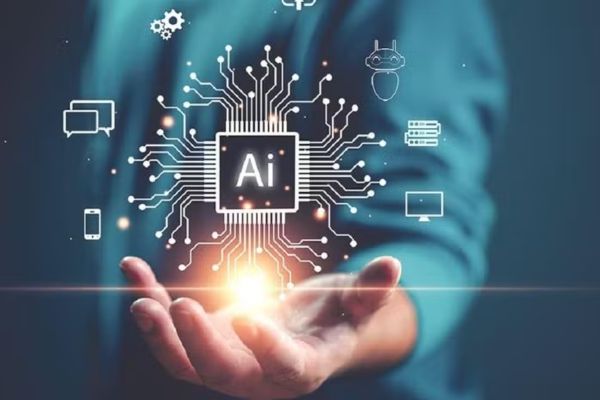
Edge AI refers to the deployment of artificial intelligence algorithms on devices located close to the source of data generation. Instead of relying on centralized cloud systems, these devices process data locally and make decisions in real time.
On device intelligence is closely related and focuses on embedding AI capabilities directly into hardware. This allows devices to perform tasks such as image recognition, voice processing, and predictive analysis without needing constant internet connectivity.
By bringing intelligence closer to the user, these technologies reduce latency and improve the overall performance of electronic systems.
Key Technologies Enabling Edge AI
Several technologies are driving the growth of Edge AI and on device intelligence. Advanced processors and specialized AI chips are designed to handle complex computations efficiently within compact devices. These chips are optimized for machine learning tasks and consume less power compared to traditional processors.
Machine learning models are also becoming more efficient. Developers are creating lightweight algorithms that can run on devices with limited resources. This makes it possible to deploy AI capabilities across a wide range of electronics.
Connectivity technologies such as 5G further enhance Edge AI by enabling faster communication between devices and cloud systems when needed. This combination of local processing and high-speed connectivity creates a balanced and efficient ecosystem.
Benefits of On Device Intelligence
One of the main advantages of on device intelligence is reduced latency. Since data is processed locally, devices can respond instantly to user inputs or environmental changes. This is particularly important for applications such as autonomous systems and real time monitoring.
Data privacy is another significant benefit. Sensitive information can be processed and stored on the device, reducing the need to transmit data over networks. This minimizes the risk of data breaches and enhances user trust.
On device intelligence also improves reliability. Devices can continue to function even when internet connectivity is limited or unavailable. This makes them suitable for use in remote or critical environments.
In addition, local processing reduces the need for constant data transfer, which helps conserve bandwidth and lowers operational costs.
Applications in Next Generation Electronics
Edge AI is being widely adopted across various sectors. In consumer electronics, smartphones and wearable devices use on device intelligence for features such as facial recognition, voice assistants, and health monitoring. These capabilities enhance user experience by providing faster and more personalized interactions.
In the automotive industry, Edge AI supports advanced driver assistance systems by enabling real time decision making. Vehicles can process data from sensors and cameras to detect obstacles and improve safety.
Industrial applications also benefit from Edge AI. Smart sensors and equipment can monitor operations, detect anomalies, and predict maintenance needs. This improves efficiency and reduces downtime.
In healthcare, medical devices equipped with on device intelligence can analyze patient data and provide immediate insights. This supports faster diagnosis and better patient care.
Challenges in Implementation
Despite its advantages, implementing Edge AI comes with certain challenges. One of the main issues is limited computing power compared to cloud systems. Devices must balance performance with energy efficiency, which can restrict the complexity of AI models.
Developing optimized algorithms for edge devices requires specialized expertise. Engineers need to ensure that models are both accurate and efficient while operating within hardware constraints.
Security is another concern. While local processing improves privacy, devices must still be protected from unauthorized access and cyber threats. Ensuring robust security measures is essential for maintaining trust and reliability.
In addition, managing updates and maintenance for distributed edge devices can be complex. Companies need effective strategies to ensure that systems remain up to date and secure.
The Future of Edge AI in Electronics
The future of Edge AI and on device intelligence looks promising as technology continues to advance. Improvements in chip design, machine learning models, and connectivity will enable more powerful and efficient devices.
As more devices become interconnected, Edge AI will play a key role in creating intelligent ecosystems. Smart homes, connected cities, and advanced industrial systems will rely on local processing to deliver faster and more reliable services.
The integration of Edge AI with emerging technologies such as the Internet of Things and robotics will further expand its applications. This will lead to more autonomous systems that can operate with minimal human intervention.
Conclusion
Edge AI and on device intelligence are transforming next generation electronics by enabling faster, more secure, and more efficient data processing. By shifting intelligence closer to the source of data, these technologies enhance performance and improve user experience.
While challenges remain, ongoing advancements are addressing these limitations and expanding the capabilities of edge devices. As adoption continues to grow, Edge AI will play a central role in shaping the future of electronics and driving innovation across industries.