
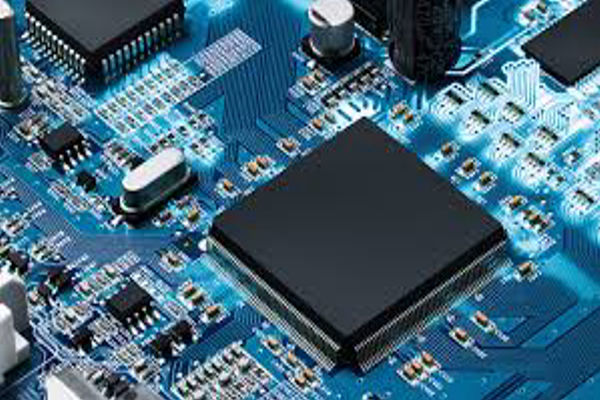
The electronics and semiconductor industry is experiencing a period of rapid transformation. Driven by technological advancements, global supply chain shifts, and growing demand for smart devices, the industry continues to be a cornerstone of innovation across multiple sectors. From artificial intelligence and electric vehicles to advanced manufacturing and energy-efficient chips, semiconductors are powering the digital economy.
As we move further into the decade, new developments are shaping the future of electronics manufacturing and redefining how countries and companies approach production, design, and sustainability.
The Global Semiconductor Market Rebounds
After facing severe supply shortages during 2020–2022, the semiconductor market is gradually stabilizing. The demand for chips, which had surged during the pandemic due to increased remote work and electronics consumption, is now balancing with supply as new fabrication plants come online.
According to recent market reports, the global semiconductor industry is expected to surpass $600 billion in 2026, with continued growth driven by consumer electronics, automotive innovation, and industrial automation. Leading chipmakers such as TSMC, Samsung, and Intel are expanding their fabrication capacities to meet rising global demand.
Governments are also recognizing the strategic importance of semiconductors. Initiatives such as the U.S. CHIPS and Science Act and the European Chips Act are promoting domestic chip manufacturing to reduce dependence on overseas suppliers. Similarly, India, Japan, and South Korea are offering incentives to attract investments in semiconductor fabrication and packaging facilities.
Advances in Chip Design and Manufacturing
Innovation in chip design is accelerating, with companies pushing the limits of performance, efficiency, and scalability. The industry is moving toward smaller process nodes, with 3-nanometer and 2-nanometer chips now entering commercial production. These chips deliver faster processing speeds and lower power consumption, making them ideal for mobile devices, servers, and artificial intelligence applications.
Chip manufacturers are also adopting advanced packaging technologies like 3D stacking and chiplets, which allow multiple components to be integrated into a single package. This approach improves performance and reduces space, a crucial advantage for compact devices and high-performance computing systems.
At the same time, new materials such as gallium nitride (GaN) and silicon carbide (SiC) are gaining traction, particularly in power electronics. These materials offer higher efficiency and better thermal performance than traditional silicon, making them essential for electric vehicles, renewable energy systems, and 5G infrastructure.
The Growing Role of AI and Automation
Artificial intelligence is playing a central role in the evolution of the semiconductor and electronics industry. AI is being used to optimize chip design, enhance testing accuracy, and improve yield rates in manufacturing. Machine learning algorithms analyze large datasets to predict defects, streamline production, and reduce waste.
In electronics manufacturing, smart factories are becoming more common. Equipped with IoT sensors, robotics, and real-time monitoring systems, these facilities can operate with greater precision and agility. This level of automation not only increases productivity but also helps manufacturers respond faster to changes in demand.
AI-driven semiconductors themselves are another area of focus. Specialized chips known as AI accelerators are being developed to handle intensive data processing tasks in machine learning, edge computing, and autonomous systems. These chips are essential for supporting the next generation of technologies, from self-driving cars to advanced robotics.
Shifts in the Supply Chain Landscape
The global semiconductor supply chain is undergoing significant restructuring. The disruptions caused by the pandemic, geopolitical tensions, and natural disasters exposed the vulnerabilities of a system heavily dependent on a few regions.
To address these challenges, companies are diversifying their supply chains and investing in regional manufacturing hubs. North America and Europe are strengthening domestic chip production, while countries like India and Vietnam are emerging as new centers for electronics assembly and semiconductor testing.
This diversification is expected to make the supply chain more resilient, but it also introduces complexities related to cost, logistics, and standardization. Collaboration between governments, manufacturers, and technology providers will be key to ensuring stability and sustainability in the global semiconductor ecosystem.
Sustainability and Green Manufacturing Initiatives
Sustainability is becoming a top priority across the electronics and semiconductor industry. Chip manufacturing is energy-intensive, and as demand grows, companies are investing in cleaner production methods.
Leading semiconductor firms are committing to carbon neutrality goals and integrating renewable energy sources into their operations. Efforts to recycle water, reduce chemical waste, and improve energy efficiency are gaining momentum.
In addition, the push toward circular electronics, designing products that can be repaired, reused, or recycled is influencing how manufacturers approach device design and component sourcing. Consumers and regulators alike are demanding greater accountability for electronic waste management and ethical sourcing of raw materials.
Sustainability is not just an environmental concern but also a business advantage, as eco-friendly practices attract investors and partners focused on long-term value creation.
Emerging Markets and Opportunities
The rise of technologies such as 5G, electric vehicles (EVs), renewable energy systems, and the Internet of Things (IoT) is expanding opportunities for semiconductor and electronics manufacturers.
The automotive sector, in particular, has become one of the fastest-growing markets for chips. Electric and autonomous vehicles require sophisticated semiconductors for battery management, sensors, and connectivity. Similarly, renewable energy grids depend on advanced power electronics to optimize energy conversion and storage.
IoT devices, from smart appliances to industrial sensors, are also driving demand for low-power, high-performance chips. As more industries embrace digital transformation, the need for efficient and secure semiconductors will continue to rise.
Conclusion
The electronics and semiconductor industry is at the heart of the global technological revolution. With advancements in chip design, the rise of AI, and a growing emphasis on sustainability, the sector is poised for strong and steady growth.
While supply chain challenges and geopolitical uncertainties remain, the collective focus on innovation, resilience, and environmental responsibility will shape the industry’s future.
As nations and companies invest in next-generation semiconductor capabilities, the coming years will mark a new era of progress, one defined by smarter technologies, cleaner production, and a more connected world.