

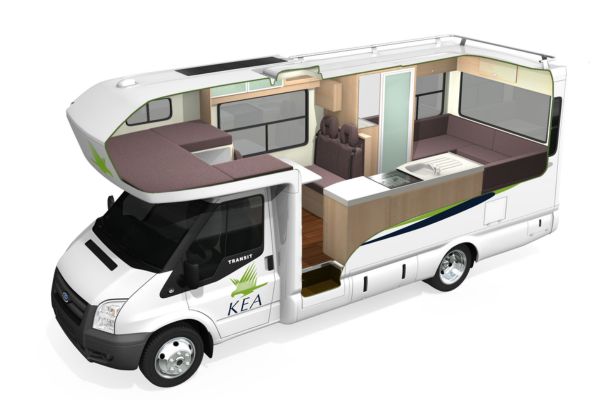
The global Recreational Vehicle (RV) Market is witnessing strong growth momentum, projected to reach approximately USD 144.55 billion by 2032, expanding at a CAGR of around 11.5%. The market, valued at USD 65.56 billion in 2023, is being driven by a shift toward experiential travel, rising interest in outdoor lifestyles, and increasing adoption of mobile living solutions.
According to insights aligned with Introspective Market Research (IMR), recreational vehicles are evolving from traditional leisure vehicles into fully equipped mobile ecosystems. The growing preference for flexible travel, remote working lifestyles, and cost-effective tourism alternatives is accelerating adoption across both developed and emerging economies.
Quick Insights
- Market Size (2024): USD 65.56 Billion
- Forecast Size (2032): USD 144.55 Billion
- CAGR (2024–2032): ~11.5%
- Leading Region: North America (over 57% market share)
- Fastest-Growing Region: Asia-Pacific
- Key Players: Thor Industries, Winnebago Industries, Forest River, REV Group, Swift Group
- Dominant Segment: Motorhomes
- Core Driver: Growth in outdoor tourism and mobile living
- Key Opportunity: RV rentals and shared mobility ecosystem
Revenue Breakdown & Market Segmentation
| Segment Category | Key Insights |
| Base Year | 2024 – USD 65.56 Billion |
| Forecast Year | 2032 – USD 144.55 Billion |
| CAGR | ~11.5% |
| By Vehicle Type | Motorhomes, Towable RVs |
| By Application | Personal, Commercial |
| By End Use | Leisure travel, temporary housing, mobile offices |
| By Region | North America, Europe, Asia-Pacific, Rest of World |
Motorhomes dominate due to their all-in-one functionality, while towable RVs are gaining traction for affordability and flexibility.
What’s Driving Growth? What Trends Are Reshaping the Market?
Why is the recreational vehicle market experiencing accelerated expansion?
- Experiential travel boom: Consumers are prioritizing experiences over ownership, driving demand for road trips and outdoor exploration.
- Rise of mobile living & remote work: Digital nomadism and flexible work culture are boosting long-term RV usage.
- Eco-tourism & sustainability: RV travel aligns with nature-based tourism trends.
- Rental & sharing economy: Growth of RV rental platforms is making access easier for first-time users.
- Technological advancements: Integration of smart home systems, energy-efficient appliances, and connectivity features is transforming RVs into “smart mobile homes.”
Regional & Segment Analysis
- North America dominates the market due to strong camping culture, developed infrastructure, and high consumer spending on leisure travel.
- Europe is witnessing strong growth driven by eco-tourism and well-established caravaning traditions.
- Asia-Pacific is emerging as the fastest-growing region, fueled by rising disposable incomes, urbanization, and expanding tourism infrastructure.
Segment Insights:
- Personal use dominates, but commercial applications (rentals, tourism fleets) are expanding rapidly.
- Motorhomes lead in value, while towable RVs offer cost-effective entry points for new consumers.
Latest Industry Developments
- Thor Industries and Winnebago Industries are investing in electric and hybrid RV models to align with sustainability trends.
- Forest River Inc. is expanding production capacity to meet rising demand in North America.
- Companies are integrating IoT-enabled systems, solar panels, and smart connectivity features into next-generation RVs.
- Increasing partnerships between manufacturers and rental platforms are reshaping distribution channels.
Challenges & Cost Pressures
- High upfront costs: RV ownership remains capital-intensive for many consumers.
- Fuel price volatility: Impacts travel affordability and operating costs.
- Regulatory constraints: Emission standards and road regulations vary across regions.
- Infrastructure limitations: Lack of RV parks and charging infrastructure in emerging markets.
Case Study: RV Adoption in the U.S. Digital Nomad Segment
A growing segment of remote professionals in the United States has shifted to full-time RV living, leveraging motorhomes equipped with solar panels and high-speed internet. This transition has enabled reduced living costs, increased travel flexibility, and improved work-life balance, demonstrating how RVs are evolving into long-term lifestyle solutions rather than short-term travel options.