
Electronic devices have become an essential part of modern life. Smartphones, computers, televisions, communication equipment and industrial electronics are used across homes and businesses. As technology continues to evolve and devices are replaced more frequently, the amount of discarded electronic equipment is also increasing.
What happens to these devices when they reach the end of their useful lives is an important environmental and industrial question. Electronic waste, commonly known as e-waste, is not simply discarded equipment. It contains a combination of materials, including metals, plastics, glass and other components, some of which can be recovered and returned to productive use.
Advanced recycling technologies play an important role in making this possible. By improving how electronic waste is collected, processed and refined, the recycling industry can help turn discarded products into valuable secondary resources.
Understanding the Value Hidden in Electronic Waste
Electronic products contain a variety of materials that serve different functions. Printed circuit boards, connectors, wiring and other electronic components may contain copper, aluminium and small quantities of precious metals such as gold, silver and palladium.
These materials are important because they have industrial value and are used in various manufacturing applications. Recovering them from discarded electronics can reduce the need to rely entirely on newly extracted raw materials.
However, recovering these resources is not as simple as dismantling a device and separating its visible components. Electronic waste consists of complex material combinations, and different products require different handling and processing methods.
The challenge is to identify, separate and recover useful materials while managing hazardous substances and minimising environmental risks.
The Role of Advanced Recycling Technologies
Electronic waste recycling involves several stages, and technology plays a role throughout the process.
1. Collection and responsible segregation
The recycling process begins with the proper collection and segregation of discarded electronic equipment. Different types of electronics contain different materials and components. Separating them appropriately helps ensure that they are directed towards suitable processing methods.
2. Dismantling and pre-processing
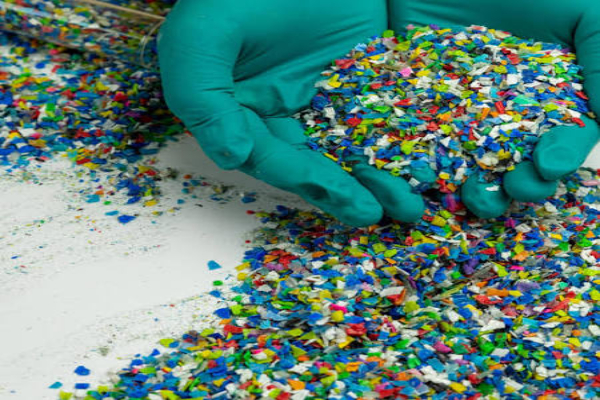
Collected equipment may undergo dismantling to separate components such as circuit boards, cables, batteries and metal or plastic parts. Depending on the material and equipment involved, mechanical processes such as shredding, sorting and size reduction may also be used.
Effective pre-processing helps prepare materials for subsequent recovery stages. It also makes it easier to separate different material streams.
3. Material separation and recovery
Different technologies can be used to separate and recover materials from electronic waste. Mechanical separation methods help distinguish materials based on characteristics such as size, density and magnetic properties.
For metal recovery, specialised metallurgical processes may be used. These can include pyrometallurgical methods, which use controlled high-temperature processes, and hydrometallurgical methods, which use chemical solutions to selectively dissolve and recover metals.
The appropriate method depends on the composition of the material, the desired recovered products and the environmental and operational requirements.
4. Refining and quality control
Recovered materials may require further refining to meet the quality requirements of potential industrial applications. This stage is important because the value of recovered resources depends not only on the quantity collected but also on the quality and consistency of the output.
Why Responsible Processing Matters
Although electronic waste contains valuable resources, it can also contain substances that require careful handling. Certain electronic components may contain hazardous materials, and improper dismantling, burning or chemical treatment can create risks for workers, communities and the environment.
Responsible recycling therefore requires more than simply recovering metals. It involves appropriate handling procedures, suitable infrastructure, trained personnel and proper management of residual materials.
Traceability and responsible processing practices are also important. They help ensure that electronic waste is handled through appropriate channels and that recovered materials can be accounted for throughout the recycling process.
Technology must therefore be supported by effective environmental management and operational controls.
Supporting the Circular Economy
The traditional linear model of production and consumption follows a pattern of extracting raw materials, manufacturing products, using them and eventually discarding them. A circular economy aims to reduce waste by keeping materials and resources in productive use for as long as possible.
Electronic waste recycling supports this approach by recovering materials that may otherwise be lost through improper disposal. These recovered resources can potentially re-enter industrial supply chains, reducing dependence on virgin raw materials.
This does not mean recycling can replace responsible product design, repair, reuse or longer product lifespans. Instead, recycling forms one part of a broader resource-management approach.
Manufacturers, businesses, consumers, collection networks and recycling companies all have a role to play. Better collection systems and greater awareness can help ensure that more discarded electronics reach appropriate recycling channels.
The Road Ahead for India’s E-Waste Recycling Industry
India’s expanding digital economy and growing use of electronic products make responsible e-waste management increasingly important. Building an effective recycling ecosystem requires collaboration across the entire value chain.
Consumers and businesses need accessible collection channels. Manufacturers can support better product design and end-of-life management. Recycling companies must continue to strengthen processing capabilities, material recovery practices and environmental safeguards.
Innovation will also remain important. Improvements in sorting, separation and metal recovery technologies can help make recycling processes more efficient and improve the recovery of valuable materials from increasingly complex electronic products.
The future of e-waste management will depend on how effectively the industry combines technology, responsible operations and collaboration.
Conclusion
Electronic waste should not be viewed only as a disposal challenge. When handled through appropriate systems, it can also represent an important source of recoverable resources. By investing in responsible recycling and advanced recovery technologies, the industry can contribute to more efficient resource use and a stronger circular economy.
About Re Reldan
Re Reldan focuses on e-waste recycling, precious-metal recovery and sustainable resource management.