
Embedded systems are at the core of many modern technologies, from industrial machines to consumer electronics. These systems are designed to perform specific tasks efficiently and often operate in environments where quick responses are critical. With the rise of connected devices, the demand for faster data processing and real time decision making has increased significantly.
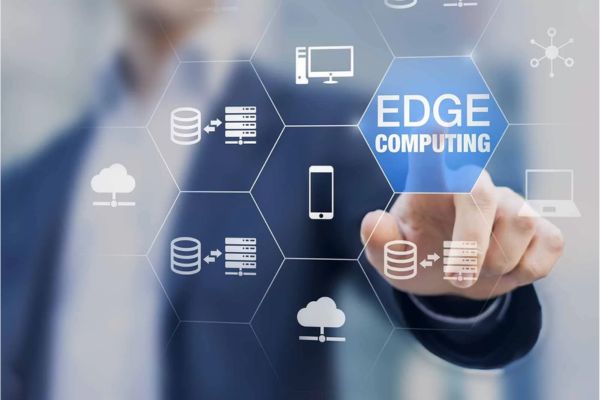
Edge computing is emerging as a powerful solution to meet these demands. By processing data closer to where it is generated, edge computing is transforming how real time embedded systems operate. This shift is enabling faster performance, improved reliability, and greater efficiency across various applications.
Understanding Edge Computing and Embedded Systems
Edge computing refers to the practice of processing data at or near the source of data generation, rather than relying on centralized cloud servers. This approach reduces the time required to send data to distant servers and receive responses.
Embedded systems are specialized computing systems that perform dedicated functions within larger systems. They are commonly used in devices such as sensors, controllers, and machines.
When edge computing is integrated with embedded systems, it allows these systems to process data locally. This combination enhances their ability to respond quickly and operate more independently. It also complements broader frameworks such as Data Center Infrastructure Management by reducing the burden on centralized systems and improving distributed data handling.
Need for Real Time Processing
Real time embedded systems require immediate processing of data to function effectively. Applications such as autonomous vehicles, industrial automation, and healthcare devices depend on quick responses to ensure safety and performance.
Traditional cloud based systems can introduce delays due to network latency. These delays can affect the performance of time sensitive applications.
Edge computing addresses this issue by enabling data processing at the device level. This reduces latency and ensures that critical decisions are made instantly, improving the overall performance of embedded systems.
Enhancing Performance and Efficiency
One of the key benefits of edge computing in embedded systems is improved performance. By processing data locally, systems can operate faster and more efficiently.
Reduced reliance on cloud infrastructure also decreases network congestion and bandwidth usage. This is particularly important in environments with limited connectivity.
Edge computing allows embedded systems to filter and process only relevant data before sending it to the cloud. This optimizes resource usage and enhances system efficiency.
As a result, devices can deliver better performance while consuming less power and bandwidth.
Improving Reliability and Resilience
Reliability is crucial for embedded systems, especially in critical applications such as industrial control and healthcare. Edge computing enhances reliability by reducing dependence on continuous network connectivity.
Even if the connection to the cloud is lost, edge enabled systems can continue to operate and make decisions locally. This ensures uninterrupted performance and reduces the risk of system failures.
In addition, edge computing supports faster fault detection and response. Systems can identify issues in real time and take corrective actions without delay.
This level of resilience is essential for maintaining the stability of modern embedded applications.
Enabling Advanced Applications
Edge computing is enabling a new generation of advanced embedded system applications. In industrial automation, edge enabled systems can monitor equipment, analyze data, and optimize operations in real time.
In the automotive sector, edge computing supports features such as driver assistance and autonomous driving by processing sensor data instantly. This improves safety and decision making.
Healthcare devices also benefit from edge computing by providing real time monitoring and analysis of patient data. This enables quicker diagnosis and better patient care.
These applications demonstrate how edge computing is expanding the capabilities of embedded systems across industries.
Security Considerations
As embedded systems become more connected, security becomes an important concern. Edge computing introduces new challenges as data is processed and stored at multiple locations.
However, it also provides opportunities to enhance security. By processing sensitive data locally, edge computing reduces the need to transmit large amounts of information over networks. This minimizes the risk of data breaches.
Embedded systems can also implement security measures such as encryption and authentication at the edge. This ensures that data remains protected throughout its lifecycle.
Proper security strategies are essential to fully realize the benefits of edge computing.
Challenges in Adoption
Despite its advantages, the adoption of edge computing in embedded systems comes with challenges. One of the main challenges is the complexity of integrating edge technologies with existing systems.
Developers need to design systems that can handle distributed processing and manage data efficiently. This requires specialized skills and expertise.
Another challenge is the cost of deploying edge infrastructure. Businesses must invest in hardware, software, and maintenance to support edge computing.
In addition, managing and updating multiple edge devices can be difficult. Ensuring consistency and reliability across all devices is essential for successful implementation.
Future Outlook
The future of edge computing in embedded systems looks promising. As technology continues to evolve, more devices will become capable of processing data locally.
Advancements in artificial intelligence and machine learning will further enhance the capabilities of edge enabled systems. These technologies will enable smarter decision making and improved automation.
The growing demand for real time applications will continue to drive the adoption of edge computing. Businesses will increasingly rely on edge solutions to improve performance and efficiency.
As a result, edge computing will play a key role in shaping the future of embedded systems.
Conclusion
Edge computing is transforming real time embedded system applications by enabling faster processing, improved reliability, and greater efficiency. By bringing computation closer to the source of data, it addresses the challenges of latency and connectivity.
While there are challenges in adoption, the benefits of edge computing are significant. It supports advanced applications, enhances security, and improves overall system performance.
As industries continue to embrace digital transformation, edge computing will remain a critical technology for building intelligent and responsive embedded systems.