

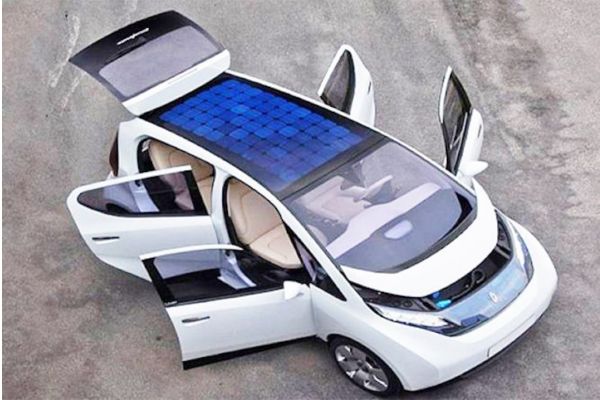
The global Solar Vehicle Market is entering a transformative phase as renewable energy technologies converge with electric mobility innovations. According to the latest research published by Introspective Market Research, the solar vehicle market is witnessing strong momentum due to the growing need for sustainable transportation, continuous improvements in photovoltaic technology, and increasing global commitments to carbon neutrality.
Solar vehicles integrate photovoltaic (PV) panels directly into vehicle structures, allowing them to convert sunlight into electricity that supplements battery charging and improves energy efficiency. These vehicles represent a major step toward zero-emission mobility, reducing reliance on fossil fuels while extending electric vehicle driving range.
Quick Insights: Solar Vehicle Market
- Market Stage: Emerging renewable mobility segment
- Technology Base: Electric vehicles integrated with solar photovoltaic panels
- Primary Growth Driver: Global shift toward sustainable and low-emission transportation
- Dominant Battery Type: Lithium-ion batteries
- Largest Regional Market: North America and Asia-Pacific
- Key Vehicle Types: Passenger Cars, Two-Wheelers, Commercial Vehicles
- Leading Industry Players: Toyota, Hyundai, Sono Motors, Aptera Motors, Nissan, and other EV innovators
Solar Vehicle Market Revenue Outlook
| Year | Market Value |
| 2023 | ~USD 0.46 Billion |
| 2024 | ~USD 0.57 Billion |
| 2030 | ~USD 2.47 Billion |
The solar vehicle market is forecast to grow at over 27% CAGR during the forecast period, driven by advances in solar cell efficiency and the expansion of electric mobility infrastructure.
Increasing investments in renewable transportation and the expansion of solar panel technologies in automotive design are expected to significantly boost adoption over the next decade.
What Opportunities Are Emerging in the Solar Vehicle Market?
The future of the solar vehicle ecosystem lies in the convergence of automotive electrification, smart energy management, and next-generation solar technologies. As solar cell efficiency improves and battery systems become lighter and more efficient, solar-assisted propulsion is becoming a viable enhancement to electric vehicles.
Key emerging opportunities include:
- Integration of high-efficiency photovoltaic panels into vehicle roofs and body panels
- Hybrid solar-electric vehicles that combine grid charging with solar charging
- Solar-powered commercial fleets for logistics and delivery applications
- Smart cities adopting solar mobility ecosystems
Rising fuel costs and increasing environmental awareness among consumers are also encouraging the transition toward vehicles that utilize renewable energy sources for mobility.
Regional Analysis
North America
North America remains a leading region due to strong EV adoption, technological innovation, and government support for renewable mobility solutions. The region has also witnessed growing investment in clean transportation infrastructure and solar technologies.
Asia-Pacific
Asia-Pacific is emerging as a rapidly growing solar mobility hub, supported by large EV markets in China, Japan, and South Korea, along with strong government incentives for green vehicles.
Europe
Europe is experiencing steady growth due to strict emissions regulations and aggressive climate policies, which are pushing automotive manufacturers to explore renewable energy-powered transportation technologies.
Segmentation Insights
By Vehicle Type
- Passenger Cars
- Commercial Vehicles
- Two-Wheelers
- Buses
Passenger cars currently account for the largest market share due to early adoption of solar-assisted electric vehicles, while commercial vehicles are expected to witness the fastest growth as logistics companies seek energy-efficient fleets.
By Solar Integration Type
- Fully Solar-Powered Vehicles
- Hybrid Solar Vehicles
Hybrid solar vehicles dominate the market today because they combine traditional electric vehicle charging with solar energy supplementation.
Industry Innovations and Breakthroughs
Automotive manufacturers and clean-energy startups are increasingly experimenting with solar-integrated mobility platforms.
Notable innovations include:
- Development of solar-integrated EV prototypes with extended driving range
- High-efficiency solar cells embedded into vehicle roofs and body panels
- Lightweight battery packs designed for continuous solar charging
Companies such as Aptera Motors and Sono Motors are pioneering solar-assisted vehicle platforms aimed at improving range and reducing charging frequency.
Challenges Facing the Solar Vehicle Market
Despite its promising outlook, the solar vehicle industry faces several challenges:
- Limited surface area for solar panels on vehicles
- High production costs of advanced photovoltaic materials
- Energy efficiency constraints under low sunlight conditions
- Integration complexity between solar modules and vehicle systems
Overcoming these limitations will require continued innovation in solar cell efficiency, lightweight materials, and battery storage technologies.
Case Study: Solar-Integrated EV Prototype Development
A European mobility startup recently introduced a solar-integrated electric vehicle prototype capable of generating additional daily driving range using roof-mounted photovoltaic panels. The vehicle’s solar system can charge the battery while parked outdoors, demonstrating how solar integration can enhance electric vehicle efficiency and reduce reliance on charging infrastructure.
Such innovations illustrate how solar vehicles could reshape the future of sustainable mobility.