
The global soldier portable battery market is witnessing steady expansion, driven by the rising energy demands of modern military operations. According to Research Intelo, the market was valued at USD 1.4 billion in 2024 and is projected to reach USD 2.7 billion by 2033, growing at a CAGR of 7.8%. This growth reflects the increasing importance of portable power solutions in enhancing soldier mobility, endurance, and overall operational efficiency.
What is Driving the Evolution of Soldier Portable Batteries?
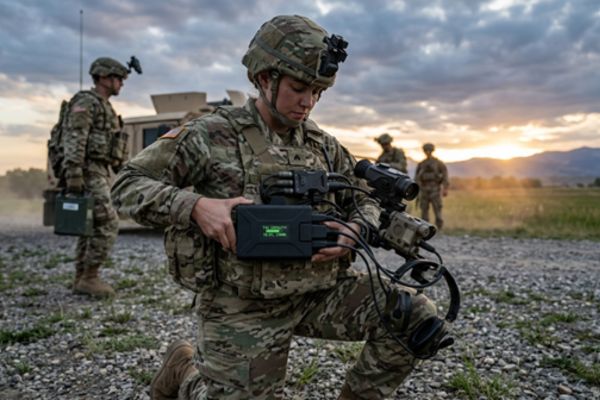
Modern combat environments are becoming increasingly technology-dependent. Advanced systems such as communication devices, night vision equipment, GPS units, and wearable electronics require continuous and reliable power, making portable batteries a mission-critical component.
The transition toward network-centric warfare and digitally connected infantry units has significantly increased power consumption at the individual soldier level. In response, defense organizations are prioritizing advanced energy solutions that reduce dependency on frequent battery replacements while improving operational performance in remote and high-risk environments.
How is Technology Transforming Battery Capabilities on the Battlefield?
Technological advancements are playing a pivotal role in reshaping the soldier portable battery market. High-energy-density chemistries, particularly lithium-ion, continue to dominate due to their lightweight design and superior performance. At the same time, innovations in battery management systems (BMS), rapid charging technologies, and safety enhancements are improving reliability and lifecycle efficiency.
The ongoing miniaturization of battery systems allows for more compact and lightweight designs without compromising power output. Additionally, emerging developments such as solid-state batteries and hybrid energy solutions are gaining traction for their improved safety profiles and performance in extreme conditions. Continuous investment in research and development is expected to further accelerate innovation in this space.
Why is Weight Reduction a Critical Focus Area?
Reducing the physical load carried by soldiers remains a top priority for modern military forces. Batteries often represent a significant portion of a soldier’s equipment weight, directly impacting mobility and endurance.
To address this challenge, manufacturers are developing compact, lightweight, and multifunctional power systems capable of supporting multiple devices simultaneously. This approach minimizes weight and enhances operational flexibility, allowing soldiers to operate more efficiently in demanding environments.
What Role Does Durability Play in Product Development?
Soldier portable batteries must operate reliably in some of the most extreme conditions, including high temperatures, humidity, dust, and mechanical stress. Durability is therefore a critical factor in product design and development.
Advanced ruggedization techniques, such as reinforced enclosures, shock resistance, and thermal management systems, are being integrated to ensure consistent performance. The ability to function across diverse terrains, from desert landscapes to arctic climates, remains a key differentiator for manufacturers in this market.
How are Military Modernization Programs Influencing Market Growth?
Global military modernization initiatives are significantly contributing to market expansion. Governments are investing heavily in enhancing infantry capabilities, with a strong focus on digital communication, surveillance, and real-time situational awareness systems.
“Future soldier” programs are accelerating the adoption of advanced portable power solutions designed to support highly connected and mobile forces. These initiatives are expected to drive sustained demand for next-generation battery technologies in the coming years.
Which Regions are Leading the Market Expansion?
- North America leads the soldier portable battery market, accounting for the largest share with an estimated value of USD 520 million in 2024. The region benefits from a well-established defense ecosystem, substantial modernization investments, and the presence of leading technology providers. The US continues to drive innovation through ongoing efforts to enhance soldier performance and safety.
- Asia Pacific is projected to be the fastest-growing region, with a CAGR of 9.4% through 2033. Growth in this region is fueled by rising defense expenditures in countries such as China, India, South Korea, and Japan. Increasing geopolitical tensions, rapid adoption of advanced technologies, and a focus on domestic defense manufacturing are key factors supporting regional expansion.
- Emerging markets in Latin America, the Middle East, and Africa are experiencing gradual growth. Although these regions face challenges such as budget constraints and limited manufacturing capabilities, demand is being supported by modernization initiatives, security concerns, and international defense collaborations.
What Challenges Could Restrain Market Growth?
Despite its positive outlook, the soldier portable battery market faces several challenges. Regulatory compliance requirements and stringent safety standards can increase development costs and extend product approval timelines.
Additionally, fluctuations in the prices of critical raw materials, such as lithium, cobalt, and nickel, pose risks to supply chain stability and profitability. The lack of standardized battery interfaces and interoperability across military systems further complicates large-scale deployment, creating additional hurdles for manufacturers operating in global markets.
What Does the Future Hold for the Soldier Portable Battery Market?
The future of the soldier portable battery market will be shaped by continuous innovation and a growing emphasis on sustainability. Advancements in energy density, faster charging capabilities, and environmentally responsible materials are expected to define the next generation of portable power solutions.
The integration of smart energy management systems and modular, interoperable battery designs will further enhance efficiency on the battlefield. Additionally, the emergence of wearable power systems and energy-harvesting technologies is expected to reduce reliance on traditional resupply methods, enabling longer and more autonomous missions.
Conclusion: Why Does Energy Define Combat Readiness?
Energy has become a decisive factor in modern military operations. Soldier portable batteries are no longer just auxiliary equipment; they are strategic assets that directly influence mission success, mobility, and survivability.
As defense forces continue to advance toward digitally integrated and technology-driven warfare, the demand for reliable, efficient, and durable portable power solutions is set to grow, supported by a market projected to nearly double in value by 2033.